Local generosity fuels Strettons Supporting Ukraine’s latest trip
February 23 marked a new mission for the Strettons Supporting Ukraine team, writes Phil Ryan.
This trip followed months of awareness raising events across Shropshire and was made possible by the remarkable generosity of our local community. Every mile we travelled and every item we delivered was a direct result of that kindness.
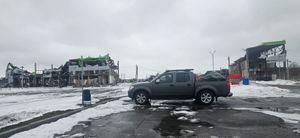
Central to this mission was our vehicle: a superb pickup truck generously sold to us at a greatly reduced price by farmer Tim and his family from Longnor. More than just transport, this vehicle carried both ourselves and a ton of vital aid to those who need it most. Importantly, it will remain in Ukraine, where it will continue to serve both humanitarian and military support efforts long after our return home.
Our preparations culminated in a deeply moving evening at Shrewsbury School, hosted by Paul, the founder of our endeavour. The event featured, for the first time, 17‑year‑old Oksana, who had recently arrived in Shropshire from Okhtyrka in the Sumy region. Speaking in near‑perfect English, she shared her experiences of growing up amid war. Her words were heartfelt, powerful, and deeply affecting, bringing the reality of life for young people in Ukraine into sharp focus. She moved everyone present and reminded us why continued support from Shropshire matters so much. Events like these, and the donations that follow, are what make our missions possible.
We set off in the early hours of Monday morning, leaving our quiet Shropshire town as the church bell struck three. The night was cold but clear as we slipped past Birmingham and London while most of the country slept. Taking the Channel Tunnel, we reached mainland Europe ahead of schedule. Despite being fully loaded, the vehicle drove beautifully, allowing us to make exceptional progress. By pushing through the Low Countries, we surpassed our own expectations and reached the Ukrainian border—over 1,200 miles from home—in under 24 hours, breaking all our previous records.
Arriving at the border just before 3am, we passed through customs smoothly thanks to my travelling companion’s meticulous planning. Entering Ukraine again felt familiar and grounding. Winter had tightened its grip since our last visit. Deep snow lined the roads, lakes and rivers were frozen solid, and the landscape lay locked in ice. Following one of the harshest winters in years, the roads had deteriorated badly, forcing us to slow down as we navigated enormous potholes in darkness. Vehicles in both directions shared the same narrow path to avoid damage, heightening the tension as we made our way to Lviv.
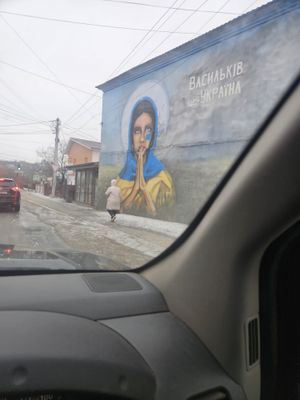
After driving 1,345 miles through seven countries and consuming vast quantities of strong coffee, we finally reached our hotel. We arrived on the anniversary of this phase of the war, a date that always brings heightened risk. Although the city felt on edge, the night passed quietly in our part of town, and exhaustion carried us into deep sleep despite the occasional air‑raid siren.
The following day we travelled east to a veteran’s village on the outskirts of Kyiv, home to friends we have visited several times before. As we moved from western to central Ukraine, the character of the country shifted. European architecture gave way to simpler villages and dense clusters of mid‑20th‑century tower blocks. These buildings give little indication of the warmth and generosity of the people inside them. This winter has been especially brutal, with power outages leaving many without light, heat, or water for days at a time. In some areas, temperatures dropped below minus 30 degrees celsius—an unimaginable cold.
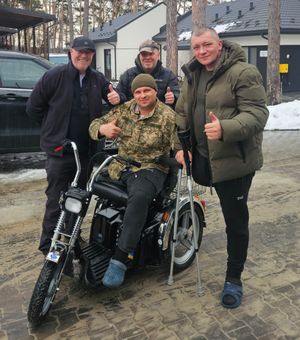
At the veteran’s village, we were welcomed warmly by familiar faces. This was our first aid drop‑off point. We delivered a mobility scooter to a soldier who had lost both a leg and a lower arm in the fighting. Until now, he had struggled with a manual wheelchair. The scooter, donated by Jimmy and Sue from Church Stretton Mobility, transformed his independence instantly. The presentation was made with the help of our host, a senior army officer and amputee who continues to serve. The soldier was overwhelmed by the generosity shown to him.
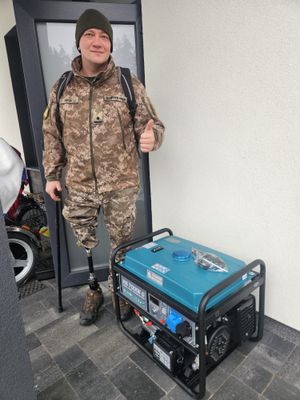
We also delivered a powerful generator donated by Adrian and Sarah from Hanwood. This generator was destined not only for a veteran’s home but also to support communal lighting and water supplies across the village. That evening we shared time with our hosts, briefly interrupted by a military medical team adjusting a prosthetic limb. Later, in the early hours of the morning, distant explosions and the unmistakable sound of a drone reminded us how fragile peace remains. Anti‑drone fire echoed through the night, on this occasion the defenders seemed to prevented it getting to the target.
At first light we said our goodbyes and headed east towards Okhtyrka. Snow blanketed the land. Elderly men fished through holes in frozen lakes, scenes that felt timeless despite the context. We passed roadblocks and, in the distance, watched a pack of wolves running freely across the white landscape—a powerful symbol of resilience and freedom.
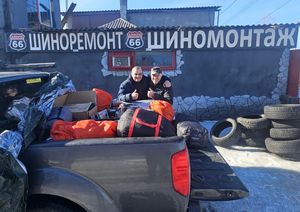
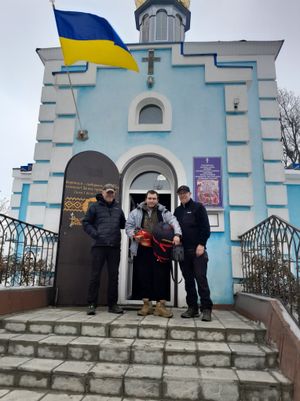
Okhtyrka, once occupied and now free, holds a special place in our hearts. We were welcomed once more by Andrew, the local priest. Despite the power being out, his family prepared a generous meal for us. It was Lent, so fish was served, and it felt particularly meaningful. We exchanged gifts and talked about Oksana, whose absence is deeply felt here.
We donated another large generator to Andrew’s family, replacing one destroyed weeks earlier, thanks to a donation from Alison. A second generator, donated by Andrew, was entrusted to the priest to distribute locally. We also met a young soldier seeking a blessing before returning to the front line. Exhausted and anxious, he received a sleeping bag, socks, and thermal clothing donated by James and Emily from Outdoor Depot in Church Stretton. He was visibly moved by this simple act of kindness.
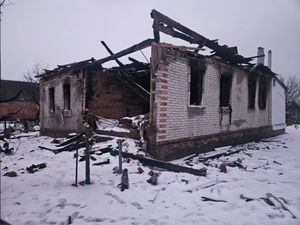
The following day we travelled on to Kharkiv, Ukraine’s second city and one of the most dangerous. Andrew warned us not to stop en route, as the road runs close to the Russian border and is frequently targeted. We followed his advice precisely. Trenches and shattered trees lined the route, stark reminders of ongoing conflict.
On the outskirts of Kharkiv, near a recently destroyed power station, we paused briefly. Anti‑drone fire rattled the air as an air raid unfolded. Later we learned that strikes had hit civilian buildings, claiming lives. In the city we met Constantine, who runs a volunteer repair garage supporting emergency services, the military, and civilians alike. We delivered generators, chainsaws, sleeping bags, and the donated vehicle. Within hours, all were already being put to use.
Time spent with Constantine and his team was wonderful and deeply human. Stories were shared, coffee drunk, and bonds strengthened. Though our aid may not end a war, it makes a tangible difference. Solidarity and kindness remain powerful forces.
We left Kharkiv the next morning and began the journey home, travelling by train through a country still at war. As the daily tribute sounded, passengers stood in silence to honour the fallen. Tears flowed quietly. The war continues into its fifth year, and while spring approaches, so too does renewed fighting. Ukraine’s identity and determination remain unbroken, and so does our commitment to stand alongside its people.
Thank you, once again, to everyone who made this mission possible. Your support truly matters.
To donate, visit: justgiving.com/crowdfunding/StrettonsSupportingUkraine