New exhibition reveals how families grieved Shropshire’s war dead
Shrewsbury Castle’s Soldiers of Shropshire Museum has launched a new exhibition exploring how the family, friends and sweethearts of Shropshire’s First World War soldiers grieved the war death of their loved one.
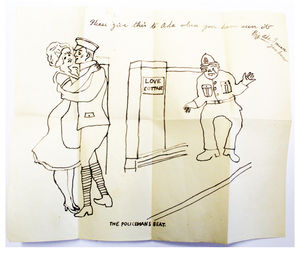
The exhibition, titled ‘Love War Loss’, features mementoes and memorials in the museum’s collection through which grieving happened, from a timeworn soldier doll given to a young boy after the death of his father Lance Corporal William Smith, to a cartoon by Private George Harding, kept by his sister, showing him embracing his sweetheart, Ada.
A key focus of the exhibition is home-based memorials, a lesser-seen side of First World War (1914-18) remembrance. Within the home, people could memorialise their war dead close at hand and in personal and public ways not available elsewhere.
Although grounded in a military context, the exhibition speaks to themes universal across conflicts, cultures, places, and time, namely the desire to hold on to something material of the dead, and to remember them in deeply personal ways.
Most of the objects on display have never been publicly shown before, including a lock of hair cut by Farrier Sergeant William Simpson from his killed horse.
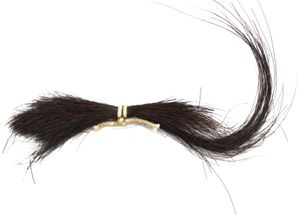
In the 1950s, William donated the lock to the museum’s predecessor with a signed note reading: ‘Forelock of my troop horse killed 6 Oct 1915’.
In Victorian and Edwardian Britain, people often kept locks of human hair as mementos of loved ones who had died, believing they symbolised enduring life. William did the same, but with his horse, cutting the forelock from its head, a tender, intimate place, to grieve and remember.
‘Love War Loss’ runs until Easter 2026.