‘It’s not good enough’: Telford council chief’s challenge over GP patient survey findings
A survey of patients at GP surgeries across Shropshire, Telford and Wrekin has revealed big differences between the highest and lowest performing practices.
The results of the 2025 GP Patient Survey prompted Telford & Wrekin Council’s chief executive to challenge his colleagues at a meeting “what are we going to do about it?”
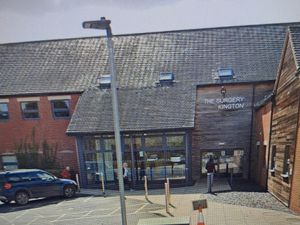
The patient survey, with responses from 5,827 patients, saw six practices across the area marked as the ‘lowest performing’ with less than 65 per cent of patients rating Donnington, Teldoc, Wellington, Riverside, Marden and Severn Fields as “good”.
This compared with Brown Clee (96 per cent), Prescott (96 per cent), Station Drive (94 per cent), Bishop’s Castle (94 per cent), Craven Arms and seven others getting scores of 90 per cent or more.
David Sidaway, chief executive of Telford & Wrekin Council, told colleagues at the NHS Shropshire, Telford and Wrekin (NHS STW) board meeting that the lower performers are in the “most deprived wards” and look after some 60,000 people.
“What are we going to do about it?” he asked at the meeting in Shrewsbury on Wednesday (November 26). “It is not good enough. What actions are we going to take?”
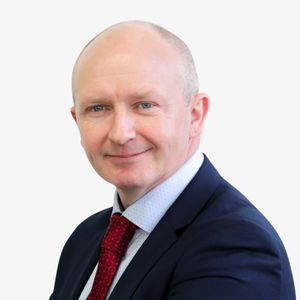
Dr Lorna Clarson, medical director of NHS Shropshire, Telford and Wrekin, said she was glad that the question was about what “we” are going to do about it.
She said that the response must include working in partnership to tackle wider issues within society. The NHS is moving towards more neighbourhood-based care with a focus on “prevention” and away from the “reactive phase” that the health service is in.
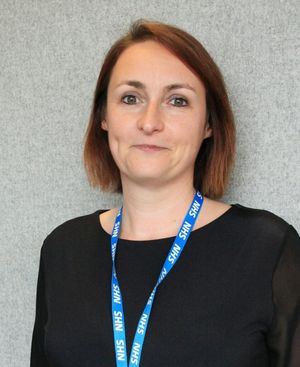
Dr Clarson’s report said the survey results show an “overall improvement from 2024, but there remains persistent variation between primary care networks and practices”.
It added that many of the surgeries with the highest feedback are small rural practices and those with the poorest feedback are generally larger practices serving areas of higher deprivation.
Dr Ian Chan, a GP in Telford and Wrekin, said the issue goes beyond the local area and is related to how GPs are funded.
“It can’t be solved without more proportionate funding.”
Dr Niti Pall said performance can’t be judged solely on access and needed to be measured on “clinical effectiveness”.
The meeting was told that seven of the county’s 50 practices are engaged with a national improvement programme. There is also a peer ambassador programme where other local practices are helping out.
NHS STW is also working with practices that are currently not compliant with new contracts to “achieve delivery of the full contract requirements as quickly as possible.” This is including “quality visits”.
Practices showing non-compliance to the contract and/or negative variation in access metrics are required to submit plans for improvement, with emphasis on telephony, digital inclusion, and equity in deprived communities.
Dr Clarson’s report said there is “recognition of the pressures that GP services are facing across STW and the work they are delivering every single day.”
She added: “Nobody goes to work to do a bad job.”
Dr Clarson told the meeting that the local NHS primary care team is focussing and supporting with practice level plans to improve.
A spokesperson for NHS STW said they recognise that access to GP appointments continues to be a key concern for the public and remains a top priority for it and local GP practices.
“Between 2024 and 2025, more than three million GP appointments were delivered across the county, and General Practice remains the first point of contact for most residents.
“NHS STW and local practices are committed to building on these improvements, with the focus remaining on ensuring equitable access to high-quality primary care for all communities.”