Four flood alerts in place around Shropshire as river levels continue to rise
Four flood alerts are in place today as river levels continue to rise around Shropshire.
A flood alert - the least severe of the Environment Agency's warnings - is issued when flooding is possible, and advises residents to make preparations.
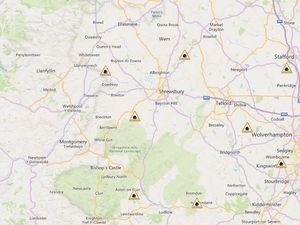
Residents near the Tern and Perry catchments, Ledwyche Brook and River Rea, the Severn Vyrnwy confluence and the Upper Teme have been warned to "take care and avoid walking, cycling or driving through floodwater" as river levels continue to rise.
The Met Office said more rain is expected across the West Midlands today (Saturday) but it is expected to ease off overnight.
Experts predict Sunday will be "widely dry and fine" with "plenty of sunny spells" but a breeze will make it feel chillier than recent days.
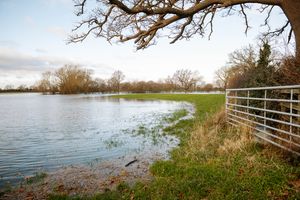
See the full details of flood alerts below:
Tern and Perry catchments
Flooding may affect low-lying land and roads adjacent to the river from Wolverley to Newport.
Other locations that may be affected include Market Drayton, Wem and Rodington.
Ledwyche Brook and River Rea
Flooding may affect low-lying land and roads adjacent to the Ledwyche Brook and River Rea.
Locations that may be affected include Cleobury Mortimer, Neen Sollars and Caynham.
Severn Vyrnwy confluence
Flooding may affect low-lying land and roads adjacent to the river from the Welsh border at Llawnt to Shrawardine near Shrewsbury.
Other locations that may be affected include Llanymynech, Maesbrook and Melverley. Roads between Maesbrook, Melverley and Pentre could start to flood.
Upper Teme
Flooding may affect low-lying land and roads adjacent the River Teme, River Onny and River Corve and their tributaries.
Locations that may be affected include Bishop's Castle, Church Stretton, Knighton and Ludlow.
Flood warnings are subject to change. The next scheduled update is 10am on Sunday (November 30).
Check the latest for your area on the government website.