Empty shops: Secrets of the Shropshire towns which are 'bucking the trend' of dying high streets
Over 6,000 shops have been left empty since the covid-19 pandemic hit the UK in March 2020.
Latest data on empty shops produced by the British Retail Consortium shows around 14% of Britain's High Street shops lie empty, with that figure jumping to around 18% in the West Midlands.
The drop in footfall has variously been attributed to the rise of online shopping and a devastating cost of living crisis since the pandemic.
Rising costs have also seen off many businesses, some of whom were walking a financial tightrope even before hikes in employers national insurance and changes to business rate relief hit home in April.
But councillors and businesses in Telford say a string of new strategies designed at revitalising town businesses have helped the town buck the trend of empty shops, blighting High Streets up and down the country.
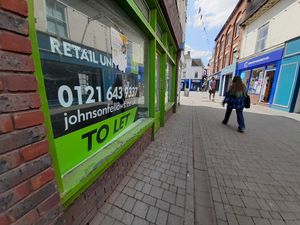
According to official figures, the borough has an shop vacancy rate of around 3.8% across all its retail areas, which include a number of "borough towns" - older town centres which are now part of the new town of Telford.
A walk through the market town of Wellington, far and away the largest of those older town centres, reveals some prominent empty units - but the town has also seen shops opening at a steady rate over the past few years.
Of the 200 or so retail units that lie within its town centre area, only 9 are now empty, a vacancy rate of 4.1%.
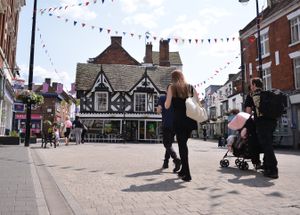
Business owner Keli King, who moved in to an empty unit around four years ago to start her now-thriving Little Green Pantry business, said the High Street has changed for the better amid on-going improvements to the town's former YMCA building, a project which will bring three run-down shop units at the top of the street back into use when completed this year.
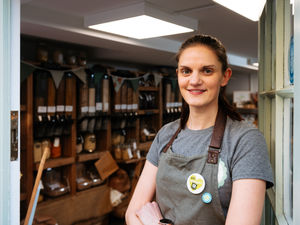
"I think things are busier now, they certainly are for us," she said.
"People do talk about the empty shops, and everyone wants those shops to be open and in use, I think because people remember it as a bustling town. The one in the square (the vacant former Stead and Simpsons shoe shop) is one which people talk to me about the most. I don't fully know why those aren't being taken up, perhaps they're too big for small businesses to get started in.
"In this day and age those bigger shops would be better used by several small businesses and rented out in smaller sections for smaller retailers. When I was starting out I wanted somewhere to test the water and those kind of spaces do help small businesses to find their market place."
Her views were echoed by Emma Perks, who started her record shop business Spinning Around Records in a former cafe in Wellington, which had been empty for a number of years previously.
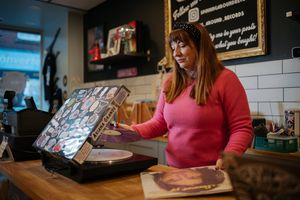
"We've been here coming up to two years now. Wellington is getting busier and busier and people who come in comment on how many different businesses we have now compared to a few years ago," she said.
"We've got a proper mix of different businesses and with so many independent shops you get a level of service you don't get with a big shopping centre."
Telford & Wrekin Council says it's invested over £7m into supporting high street businesses since the launch of a "Pride in our High Street" scheme in 2015, a scheme which has awarded over 350 business grants, created over 400 new jobs and helped 65 businesses to open in previously empty units.
The authority has just relaunched the fund for the new financial year, promising a further £1.2 million for the scheme.
Councillor Ollie Vickers, Telford & Wrekin's cabinet member for the economy, said Telford had a "positive story" to tell on empty shop units which ran contrary to more common narratives around dying High Streets.

"The 'Pride in our high street' programme is probably the main reason we've been so successful," he said.
"I think it's only because of the support that the council has in place and the confidence that business has in the council's administration at Telford & Wrekin that we've managed to keep those empty rates so low.
"Without that pride in our high st programme, with that funding of over £1.2m, we'd probably be in a situation similar to the rest of the country where we're creeping up towards that 14% [ national average ] figure.
"There's work going on to make sure we're being more creative with our retail space. We're in an ever changing world where a lot of shopping has gone online and a lot of customers like to shop that way now, so of course there's not going to be the same amount of demand as there was 20 years ago.
"But at the same time we can be creative with that - and put things on our high streets that people still want to go to."