Welsh emergency services see fuel bills rocket
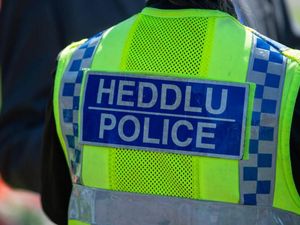
Fuel bills for emergency services in Mid Wales have risen by almost £2 million in the past five years, figures released today have revealed. Fuel bills for emergency services in Mid Wales have risen by almost £2 million in the past five years, figures released today have revealed. Freedom of Information figures show that the costs have risen to such an extent that they are placing a "huge burden" on the police, fire and ambulance services. Dyfed-Powys Police's bill has risen to £1,062,955 in 2010/11 from £839,522 in 2006/7, while the Wales Ambulance Service bill has gone up to £5.2 million from £3.4 million. Mid & West Wales Fire and Rescue Service's costs have gone up to £459,166 from £324,889.
Fuel bills for emergency services in Mid Wales have risen by almost £2 million in the past five years, figures released today have revealed.
Freedom of Information figures show that the costs have risen to such an extent that they are placing a "huge burden" on the police, fire and ambulance services.
Dyfed-Powys Police's bill has risen to £1,062,955 in 2010/11 from £839,522 in 2006/7, while the Wales Ambulance Service bill has gone up to £5.2 million from £3.4 million.
Mid & West Wales Fire and Rescue Service's costs have gone up to £459,166 from £324,889.
The information was obtained by Plaid Cymru.
Simon Thomas, Mid & West Wales AM, who represents Plaid Cymru, said: "Everybody knows the cost of fuel when they are filling up their own tanks. This is why Plaid has campaigned for a fuel duty regulator."
Dyfed-Powys Police said: "Where possible vehicle users are instructed to use petrol stations offering the best fuel price. A total of 97 per cent of the fleet uses diesel as the MPG is better, and trials on electric vehicles are imminent."
Jacqui Maunder, for Mid & West Wales Fire and Rescue Service, added: "In order to minimise fuel costs, the service purchases the majority of its fuel through a bulk supply contract."
Dawn Sharp, for the Wales Ambulance Service, said: "All vehicles are fitted with sat nav technology and the control centre is more pro-active in reducing wasted journeys."