Brisbane Roar offer Iran’s women’s footballers ‘place to train, play and belong’
There are fears the team could face persecution if they returned to Iran.
Australian football club Brisbane Roar have offered to open their doors to the five members of Iran’s women’s football team granted asylum in the country.
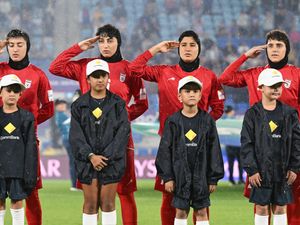
Home affairs minister Tony Burke on Monday confirmed the players had completed the formal humanitarian visa process and could remain in Australia amid fears the team could face persecution if they returned to Iran after refusing to sing the national anthem before their first match at the Asian Cup.
Burke, speaking at a press conference, revealed the Australian Federal Police (AFP) had assisted the five women in leaving the team base and entering a safe house, where his meeting with them took place. He also extended an invitation to other members of the squad, adding: “The same opportunity is there.”
Roar said in a statement on their X account: “Like many Australians, everyone at Brisbane Roar FC has been watching the story of the Iran women’s national football team players now here in Queensland with immense admiration.
“These are elite footballers — passionate, talented women who love the game just as deeply as we do.
“To Fatemeh, Zahra, Zahra, Atefeh, Mona, and any of your team-mates building a new life here in Australia: Brisbane is home to one of the country’s most passionate football communities, and the Roar family has a big heart.
“We’d be honoured to open our doors and offer you a place to train, play, and belong and will begin to explore how to make this happen. No politics. No conditions.
“Just football, community, and a warm welcome. Queensland is your home now.”
Roar’s men’s and women’s teams both compete in their respective A-Leagues, the Australian top flight.
United States president Donald Trump had put pressure on Australia to act and said he would grant asylum to the players if Australia did not.