Chester Zoo joins pioneering global partnership to help save endangered species - storing living cells
Chester Zoo has joined a pioneering international partnership to store living cells from endangered animals, using advanced cryotechnology to help protect species from extinction.
In a bold step for global wildlife conservation, Chester Zoo, Dublin Zoo, and Toronto Zoo have announced a strategic collaboration to expand efforts in wildlife cryobanking - the preservation of living cells at ultra-low temperatures for future conservation use.
The groundbreaking cryopreservation project is designed to safeguard the living genetic material of both native and globally threatened species, strengthening long-term conservation and restoration efforts worldwide.
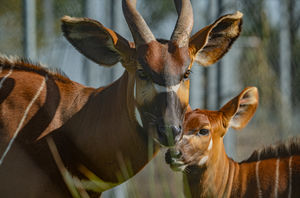
Several species are already represented in the cryopreserved samples held at Chester Zoo - including the mountain bongo, a critically endangered antelope native to Kenya. Fewer than 40 of these animals are thought to survive in the wild.
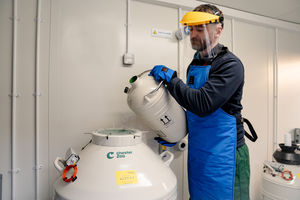
Live cell cryobanking involves storing genetic material such as sperm, oocytes (eggs), embryos, tissue, and cultured cells from animals. When stored in ultra-low temperatures, these cells can remain viable for decades, allowing conservationists to maintain or restore genetic diversity and support future breeding programmes.
Unlike traditional DNA sample storage, live cell cryobanking enables the use of assisted reproductive technologies, including artificial insemination and in vitro fertilisation (IVF). Chester Zoo said these approaches are especially valuable for declining populations at risk of inbreeding due to small size or isolation.
Dr Sue Walker, Head of Science at Chester Zoo, said: "The use of cryopreservation is an actively growing field. Species survival depends on thriving and genetically healthy populations, and by building cryopreservation to support conservation efforts, it is becoming an effective tool in the fight against extinction.
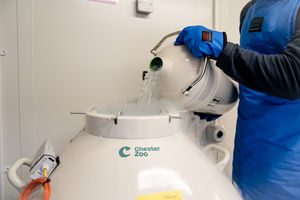
"Alongside Toronto Zoo and Dublin Zoo, the goal of this international partnership is to support each other and our global zoo community with effective biobanking initiatives."
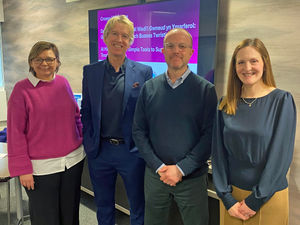
Representatives from the three zoos recently gathered at the IUCN World Conservation Congress - one of the most important events in global conservation.
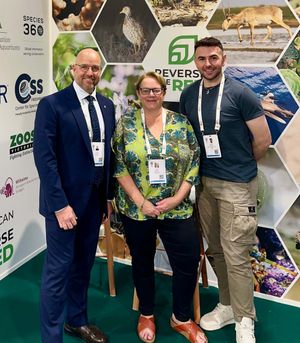
The event provided Chester Zoo with a platform to highlight its work in field conservation, science, and education. Delegates from the zoo took part in panel discussions and workshops focused on species survival and habitat protection, sharing expertise with global conservation leaders.