Decision looms on closed community pub near Ludlow that could be converted into house
Locals fear that time may finally be called on what was a popular north Herefordshire country pub, with approval looming for its conversion into a house.
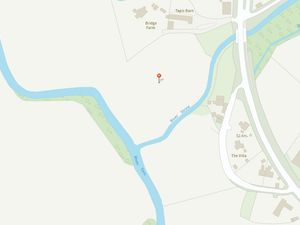
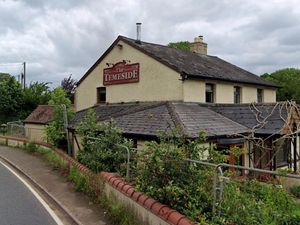
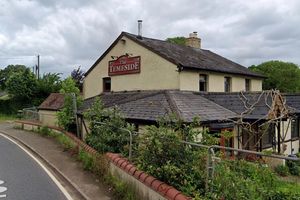
The Temeside Inn in Little Hereford, between Tenbury and Ludlow, closed in 2020 following flooding from the adjacent river Teme, and has been the subject of unsuccessful planning bids since.
It is understood that the current bid by owner John Leonard has now been passed to Herefordshire Council’s planning committee of councillors to decide on February 18, and that case officer Ollie Jones is recommending it be approved. The council was unable to confirm this.
Nearby resident Nick Comley said a local bid to have the pub registered as an “asset of community value” had failed because it had already been closed for too long.
“So if permission is granted now, it will never be anything other than a private house,” he said.
At the same time, “if it is refused, it could go the same way as the ‘meat house’”, he warned, referring to the nearby abandoned farmhouse which burned down last month, as well as the closed Portway Inn, Staunton on Wye, which went the same way shortly after.
But he claimed the pub, which used to benefit from custom from the caravan park immediately across the river, could once again be viable “with a good tenant, as it had before”.
Among two dozen objections to the conversion plan, local CAMRA (Campaign for Real Ale) representative Mark Haslam claimed there had been “inadequate marketing of the premises as a pub business”, and that “its permanent loss would have an unnecessarily adverse social and economic impact on the local community”.
And local resident Scott Myers said converting the pub “does nothing to serve the local community that is desperate for a thriving pub once again”.
A report with Mr Leonard’s application claimed to demonstrate that the building is “unviable as a public house”.
“Like so many properties of this type, the only realistic positioning is for an alternative default use that in this case would be residential,” it concluded.