Mark Andrews: Lammy might have the title, but it's the Bilston Bruiser who wields the real power
Last year, at a popular awards ceremony for MPs, Health Secretary Wes Streeting took to the stage and made a joke at the expense of his cabinet colleagues.
“The deputy prime minister is here,” he told the esteemed audience.
“Good to see you, Pat.”
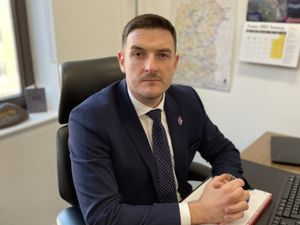
He was referring of course to the 'Bilston Bruiser' - OK, I coined that one myself - the Black Country MP Pat McFadden, who has served as a confidante to the past three Labour prime ministers.
Sign up to our free newsletter today
Unlike the now-departed Angela Rayner, Mr McFadden has never been one for hogging the headlines, but has been seen by many as the power behind the throne.
Described before the election as 'the most powerful Labour politician most people have never heard of', the Blair-era veteran was the mastermind behind last year's landslide election victory. And since Sir Keir entered Downing Street, the Wolverhampton South East MP has been the PM's trusty lieutenant, Det Sgt Lewis to Chief Inspector Morse, if you like.
While Mrs Rayner's role was largely a ceremonial one, as Labour's ambassador to the northern working-classes, Mr McFadden has always been in deputy in the more literal sense of the word - he was the enforcer, who ensured that ministers were carrying out the PM's wishes.
David Lammy is perhaps the Prime Minister's surprise choice to replace Mrs Rayner as Deputy PM, while Steve Reed takes over her role at the Ministry of Housing, Communities and Local Government. Her third role, as deputy leader of the Labour Party, will require a ballot of members - and, as Jeremy Corbyn found out, the leader does not always get the deputy he wants.
The role of deputy prime minister is actually quite a recent one, and is usually more about political symbolism than any real responsibility.
Clement Attlee was the first holder of the post, appointed by Winston Churchill during the wartime coalition, as a way of bringing the Labour Party into government. The role then lay dormant until 1995, when a beleaguered John Major appointed Michael Heseltine as his deputy, in a not-very-successful attempt to unite his party. Tony Blair gave the role to John Prescott, who like Mrs Rayner, provided a link to the northern working-class.
Party unity may be the thinking in Sir Keir's choice of David Lammy as Mrs Rayner's successor as Deputy PM. His appointment as Foreign Secretary raised eyebrows, given his reputation for shooting from the hip on matters of diplomacy. But he is popular with grassroots party members, and is seen as a good performer on television.
So what of Mr McFadden, who has been given the brief of Work and Pensions Secretary?
The picture is somewhat muddied by this week's appointment of Darren Jones to the newly created role of Chief Secretary to the Prime Minister. Will he now take over the role of unofficial deputy PM, or will Mr McFadden to continue to quietly direct proceedings from his new role?
Tony Blair's former spin doctor Alastair Campbell once said: “He’s got the potential to be a really exceptional politician. But he’s diffident and dry and doesn’t like thrusting himself into the spotlight.”
Don't bet against a bit more quiet diplomacy from the Bilston Bruiser just yet.