Machine learning could help cities track potholes in future
Two Californian university students have developed a traffic-beating algorithm that’s also capable of tracking road maintenance
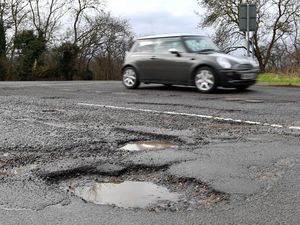
Algorithms to beat traffic congestion are becoming more sophisticated by the day – but two students at a California university have developed one that can even chart the location of potholes.
Students at Loyola Marymount university developed the system to help chart the maintenance of roads in Los Angeles – the city which, according to traffic data analysts INRIX, has the world’s worst traffic. The machine learning algorithm makes use of Google’s Tensorflow platform, an open-source developer kit.
The ultimate goal for the students is to ‘train’ a model that can identify road imperfections such as potholes or cracks using camera footage.
In a video released by Google, it’s claimed that Los Angeles drivers pay an extra $900 a year in ‘wear and tear’ maintenance compared to the US average. However, construction companies and city officials can only identify road imperfections manually or rely on the public reporting them.
The students’ model could speed this up, allowing road workers to spend less time finding potholes and more time fixing them.
It’s still simply a concept at this point, though – the system won’t be appearing on cars any time soon.