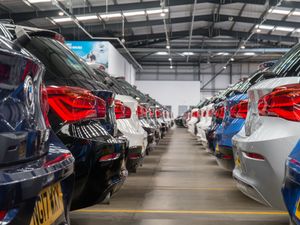
UK new car market falls by a fifth in September as supply issues take hold
Impact was felt in private consumer, fleet and business sectors
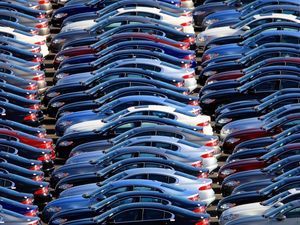
The UK new car market fell by 20.5 per cent in September, according to figures released today by the Society of Motor Manufacturers and Traders.
In total, 338,834 vehicles were registered during the month – a fall of 87,000 units on the figure for September 2017.
The drop came as new testing requirements for cars caused supply issues and distorted the market.
The impact was felt across all segments, with registrations to private consumers, fleets and businesses experiencing drops of 20.1 per cent, 22.4 per cent and 6.3 per cent respectively.
Though registrations of petrol and diesel cars fell, hybrid and plug-in vehicles posted a modest increase of 3.9 per cent.
Mike Hawes, SMMT chief executive, said: “With the industry given barely a year to reapprove the entire European model line-up, it’s no surprise that we’ve seen bottlenecks and a squeeze on supply. These are exceptional circumstances with similar declines seen in other major European markets.
“The good news is that, as backlogs ease, consumers and businesses can look forward to a raft of exciting high-tech cars and a market keen to recover lost momentum.”
James Fairclough, CEO of AA Cars, said: “After the new car market enjoyed an ‘Indian summer’ last month, it’s disappointing to see that sales fell off in September – especially as the arrival of new plates usually encourages buyers to the forecourts.
“All eyes will now be glued on dealerships to see whether this month’s sales slowdown is a one-off or an ominous sign of things to come.”
The fall comes after changes to the way cars are tested for fuel economy and emissions were introduced.
All cars sold in the EU now have to undergo the Worldwide Harmonised Light Vehicle Test Procedure (WLTP), which has replaced the NEDC system. Though still conducted in a laboratory, the new test examines cars travelling at faster speeds and over longer distances.
It also takes factors such as modern vehicle technology into account.
As a result of it being based on half a million miles of driving data, it’s designed to deliver results far closer to those that regular drivers will experience.