Council tax rise and cuts on the cards for Telford and Wrekin - find out more
Telford & Wrekin Council is considering making £20 million in cuts next year even if it maxes out the amount it can raise in council tax.
Councils like Telford & Wrekin can increase council tax by a maximum of 5 per cent but budget papers show that the extra amount this can bring in will be dwarfed by ever-burgeoning costs of social care.
Taking an early look at the figures finance officers are projecting that the council will set a revenue budget of £233.453 million in 2026-27, a near-40 per cent increase from this year’s £167 million.
It is set to see more coming in from central government which has been reviewing the way local councils are funded.
The amount Telford & Wrekin Council will receive has not yet been finalised and the report makes it clear that the numbers are set to be updated.
It is seeing rising costs from inflation and pay but the biggest rise is in social care costs, driven up by the numbers of people needing care packages that the council has to pay for.
These have been increasing in price too, as companies pay for increases in wages.
Council tax could bring in more than £104 million, with other sources raking in the same again.
But that still leaves a gap of some £20.684 million which the council will have to make up from “additional savings” on top of the nearly £2 million of cuts that have previously been included in budget assessments.
Council officials are set to tell next Tuesday’s (January 6) cabinet meeting that all of the funding generated from the total £1.20-per-week Band B council tax increase will be invested in the provision of social care services.
“The council tax increase will raise £4.7m towards the £15.8m additional investment that is required into our adult social care services next year with the additional investment required being funded through further budget savings," a report said.
The council is also projecting that spending on children’s safeguarding will have to increase.
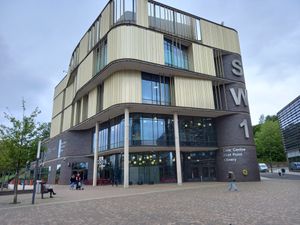
The council’s net budget for children’s safeguarding next year will be approximately £52m, and for adult social care the net budget will be more than £97m, giving a total commitment to these two key areas of nearly £150m.
This is “equivalent to approximately 70 per cent of the total net revenue base budget”, council officials wrote.
And while rising costs and demands on services rises council officials reported that there will be limited scope for ongoing revenue investments in anything else.
“Further investments in other priorities would require more budget savings to be identified,” they write.
The report also put forward new proposals that will deliver ongoing savings – including from additional income – of £19.1m, commencing 2026/27.
“Despite the significant budget savings that we have had to make, the council is still a large organisation delivering many services to local people and it is essential that we use our remaining revenue and capital resources as effectively as possible to deliver the greatest possible benefit for local people.
“The council has consistently said that it will continue to protect the most vulnerable in our society and prioritise the protection of services to vulnerable adults and children in our community.
“The council is committed to ensuring that we always meet the assessed needs of vulnerable people as we make changes to services, we will always place priority on these essential services and will not let financial pressures mean that we fail to meet the assessed statutory needs of vulnerable residents.”
The report does not specify where cuts could be made but officials referred to having made savings of £195.3m since 2009/10.
Officers wrote that the council has a “long track record of sound financial management and has demonstrated an ability to take the robust decisions needed to ensure long-term financial sustainability".
They went on to say that decisions have included “difficult choices relating to further cuts to staffing necessitating redundancies, reductions to some services, delivering services differently, reviewing fees and charges and the level of council tax increase".
It is also continuing to sell off buildings and assets and a temporary change in the rules means that the council is able to use new capital receipts to fund “transformation and statutory severance costs".
The council is also expecting to set a “significant capital programme” of more than £436.5m over the next four years, with £124.317m to be spent in 2026-27.
This includes money in building new homes for rent, in fixing potholes, school expansion, housing, and schemes in Oakengates and Wellington.
The cabinet meeting next week will be asked to trigger a consultation with town and parish councils, voluntary organisations, and the public before the budget is finalised in February.
Council officials set out council tax increases on Band B property bands and not the national Band D yardstick. This reflects the majority of bandings across Telford and Wrekin.
The Band B total increase of £1.20 per week is anticipated to mean that Telford & Wrekin would for the ninth year in a row have the lowest council tax across the East and West Midlands.
Officials say the average Midlands council tax at Band D is around 19 per cent higher than in Telford and Wrekin.
“Even after the proposed council tax increase which will cost the average resident (based on a Band B property) £1.20 per week, it is likely that the council will still have the lowest council tax in the Midlands for the services that it provides,” officials wrote.
If approved on Tuesday the council will consult on its budget from January 7 to February 3.
There will then be another cabinet meeting on February 12 before the budget is set by full council on February 26. The total bill will also include precepts from town and parish councils, the fire service and the police.