Avian flu: Chicken restrictions must stay in place, says Oswestry expert as Government takes action
Chickens owners are being urged to continue following strict bio-security guidelines after an outbreak of avian flu in Wales.
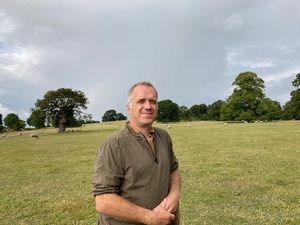
Chicken expert Andy Cawthray said while large poultry farms had the measures in place, it was the smaller farms and those who kept small flocks at their homes that needed to ensure birds were not exposed to droppings from wild species.
The deadly bird disease was confirmed yesterday in a back yard flock of chickens and ducks in Carmarthenshire. It follows confirmation the same strain of the virus was found in a wild duck in Llanelli last month. There are fears the virus could spread north and affect chickens and other fowl in Mid Wales and Shropshire but the disease does not represent a food safety risk to the public.
Governments in England and Wales have brought in emergency legislation, which requires all keepers of poultry and other captive birds to keep their birds indoors, or take appropriate steps to keep them separate and protect them from wild birds, which remains in place.
The Prevention Zone has been extended by the Government's Chief Veterinary Officer until February 28.
Mr Cawthray, based in the Oswestry area, said: "In Britain, 95 per cent of poultry is owned by just five per cent of those who have the birds.
"These are big commercial enterprises which, even though the chickens may be free range, have the buildings to keep them indoors."
He said it was the smaller breeders and owners who were finding the restrictions difficult to cope with.
"Keeping them indoors is a real struggle," he said. "I have seven small flocks and I can not put them in together as the cockerels would kill each other."
He said owners should take sensible bio-security steps, which could include making a tarpaulin covered run for the birds.
"Mesh is not enough because wild bird droppings will fall through the mesh," he said.
"Keep the feed and the water inside and do not handle the containers."
Prevention Zone to help protect poultry from avian flu extended
Chief Veterinary Officer Nigel Gibbens said: "The Prevention Zone means anyone who keeps poultry such as chickens, ducks and geese, even as pets, must take action to stop them coming into contact with wild birds to protect them from avian flu.
"Birds should be moved into a suitable building, or if that isn't possible owners must take sensible precautions to keep them away from wild birds, like putting up netting to create a temporary enclosure and keeping food and water supplies inside where they cannot be contaminated by wild birds.
"Even when birds are kept indoors a risk of infection remains so keepers must also practice good biosecurity, for example by disinfecting footwear and equipment and washing clothing after contact with birds.
"Recent H5N8 avian flu findings in wild birds and a backyard flock in Wales highlight just how essential it is to minimise contact between wild and captive birds and maintain good biosecurity to reduce the risk of infection.
"We must continue to be vigilant and do all we can to protect against this highly pathogenic strain of the disease, which is why we are extending the Prevention Zone, have introduced a ban on poultry gatherings and continue to strengthen surveillance to understand the extent of infection in wild birds."