EU referendum: Uncertain times for farming industry before vote
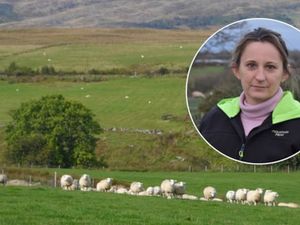
Spring was slow in north Shropshire but nature has a way of correcting itself, writes Malcolm Roberts of NFU West Midlands.
The saying the oak before the ash will give us a splash may well be right this summer as the leaves on our ash trees are only just coming out.
While the overall winter temperature was higher this year, our flock of 1,000 breeding ewes didn't appreciate the constant wet ground.
However, lambs are coming to sale relatively easily and achieving good weights and depth of fleshing and thankfully a reasonably price to date unlike dairy, grain, pork and horticultural products.
We are under immense pressure which I well recognise.
Agriculture finds itself in an uncertain position ahead of an EU referendum and although the NFU took a democratic position to remain in, it took into account legal requirements via registering with the electoral commission, which then allowed our organisation to host debate providing members with as much information as possible allowing individuals to arrive at their own decision. It is important to point out that the union took a neutral position.
Many issues keep raising their heads keeping representatives and employees extremely busy.
The time spent with the RPA has been immense and continues to be.
I somehow think the rules and cross compliances introduced at the last CAP reform have become less concerning to many but the fact that Defra/RPA designed and installed their own computer programme that is clearly not fit for purpose is a bigger worry to farmers and agents.
Dairy production continues to face huge pressure with 80 per cent of herds losing five pence/litre/day.
The European Commission has agreed to double the capacity of skimmed powder entering intervention stores with the hope it stabilises the market place.
Ongoing talks with retailers and the dairy board are looking at the creation of producer groups and appointments of agents.
Finally the introduction of the living wage by our own government potentially could have a massive impact on our dairy and horticultural industry.
Fruit and veg producers already experience high labour costs of up to 70 per cent, and it doesn't take a mathematician to work out the increased burden, government has been made aware of this and the union continues to lobby for a deal.