Shropshire's recycling re-use target down - with garden waste charge playing key role
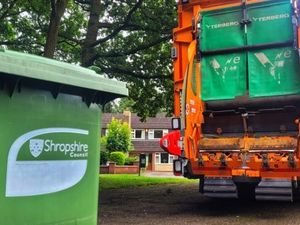
The amount of waste that is sent for re-use, recycling and compositing in Shropshire is below target – with the garden waste charge playing a key role.
A report sent to the council’s Transformation and Improvement Overview Scrutiny Committee and Cabinet shows that the council’s performance for quarter 4 (Q4) came in at 43.73% against the target of 52.6%.
Billy Webster, assistant director of transformation at Shropshire Council, said the performance during this period is usually lower due to the colder weather and less activity in the garden. However, the introduction of the garden waste subscription service and the Household Recyling Centre (HRC) booking system – which was quickly scrapped for cars – also played a role.
“Although the booking system was discontinued on February 12, the HRCs did not revert to their previous operation,” said Mr Webster.
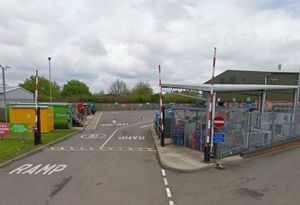
“Veolia found that limiting the number of visitors at any given time was safer and allowed for more efficient recycling, reducing the amount of waste going for disposal through the HRCs by 154 tonnes compared with Q4 last year.
“The amount of garden waste being produced in Q4 was 2,237 tonnes less than Q4 2023/24 and this is a positive impact of the chargeable garden waste service.”
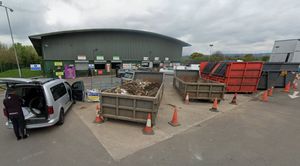
Mr Webster added that, while the primary factor causing the council to miss the target was the green waste collections, to put it into perspective, almost 42,000 tonnes of garden waste both via kerbside and at HRCs. This, he said, is nearly 22% of the total recycling target, hence why the the reduction in tonnage whilst reducing the authority’s costs has had such an impact on the recycling rate.
However, Mr Webster said officers expect this will improve during quarters 1 and 2 of 2025/26, with the target remaining at 52.6%.