Kington Primary School ‘is a happy school where pupils do well’, Ofsted inspectors say
Kington Primary School ‘is a happy school where pupils do well’, Ofsted inspectors say
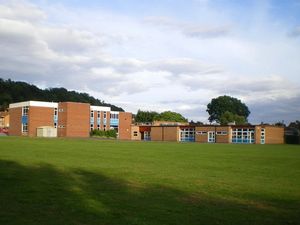
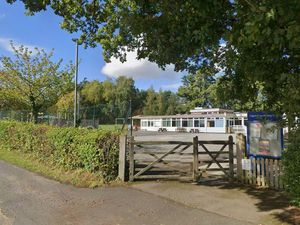
The school, located on Mill Street, has 214 pupils aged between two and 11 and was inspected in May.
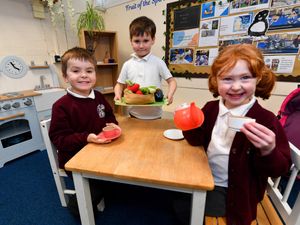
Inspectors found that the school is a "happy" place where pupils "do well" and "take pride" in their school and ‘all feel welcome’.
The report highlighted that pupils "enjoy learning, achieve well, and participate in the many opportunities that the school organises for them."
One pupil told inspectors that the school cares about everyone as an individual.
The school has "high expectations" for pupil behaviour, which are met by the students.
The school's curriculum has been extensively reviewed and is now "securely in place."
Particular attention has been paid to the new curriculum for mathematics to ensure all pupils have the key learning they need.
Early reading is a "significant priority" for the school, with children in nursery taught to recognise and explore key sounds.
The school has strengthened its provision for older readers who need further support.
The needs of pupils with special educational needs and/or disabilities (SEND) are clearly identified, and appropriate adaptations are put in place.
The school's new behaviour policy, based on "ready, respectful, safe," is well understood and embedded.
This contributes to the school being a "harmonious community" where pupils typically behave in a kind and tolerant way towards each other.
The school is proud of its provision for pupils' personal development, with a range of opportunities for them to learn about other traditions and faiths.
The school is also proud of the engagement it has with the town and of the contributions the pupils make to local events.
The only recommendation made is that the school should ensure all staff use assessment consistently to identify when pupils have fully understood their learning.
The inspectors said at the moment, on occasion, there are gaps in learning which are not consistently identified or closed or pupils are not moved on to more complex
tasks when they are ready.