Foreign Office issues latest travel advice for four countries - where is it not safe to visit?
The Foreign Office has recently updated its travel advice for four countries as the war widens in the Middle East.
The widening war between Iran and the US and its allies has entered its fourth day. The UK Foreign Office has updated its 'do not travel list' following the US and Israel launching military strikes across Iran.
On Sunday 1 March, the FCDO updated its travel guidelines to reflect the unfolding conflict, with British nationals in the six countries urged to register their presence in order to receive direct updates and guidance.
These countries are Bahrain, Israel, Kuwait, United Arab Emirates, Qatar and Palestine. Travel advice has been updated for several countries, with guidance currently warning against all travel and/or all but essential travel to the above six countries as well as: Iran, Iraq, Oman, Jordan, Pakistan, Lebanon, Jordan, Syria, Egypt, Afghanistan, Yemen, Turkmenistan, Armenia and Azerbaijan.
Meanwhile, Saudi Arabia and Turkey have issued warnings against all but essential travel to certain regions. Around 300,000 British nationals are currently believed to be in the Middle East at the moment, either as tourists or expats. Current guidance for those in Dubai and the wider UAE is to shelter in place - which means remaining indoors, avoiding travel and following local instructions - as well as registering their presence.
The Foreign Office has since updated its travel advice for four countries including Turkmenistan, Saudi Arabia, Jordan, and India. For Turkmenistan it has updated information about entering the country across the land border from Iran.
It warns: "If you are a British national wanting to enter Turkmenistan from Iran, you will need special authorisation from the Government of Turkmenistan and confirmation of an onward flight. Authorisation can be facilitated by the British Embassy in Ashgabat by contacting the FCDO before you travel to the border, indicating whether you are contacting from Iran or from the UK on behalf of a relative.
"You will need to provide personal details (name, date of birth, passport information) of the person travelling and a copy of an onward flight reservation, and indicate which border crossing they intend to use. The authorisation process will likely take about 48 hours but may be longer. Normal visa fees of 70-100 US dollars will be applied on arrival in Turkmenistan and must be paid in cash.
"Access to the internet and mobile phone networks is restricted in Turkmenistan. If you intend to leave Iran overland, you do so at your own risk. In Iran, holding a British passport or having perceived connections to the UK can be reason enough for the Iranian authorities to detain you."
For Saudi Arabia, the Foreign Office is warning Britons to stay inside. It says: "Due to reports of missile and drone activity in the region, we advise British nationals to stay inside and exercise increased caution in Saudi Arabia. Where available, follow advice from local authorities on how to stay safe in your location as risks may vary across Saudi Arabia."
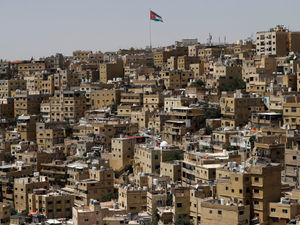
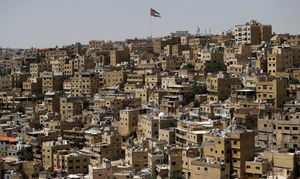
For Jordan, the FCDO now advises against all but essential travel to Jordan and continues to advise against all travel to within 3km of the border with Syria. And for India, the Foreign Office is warning of travel disruption.
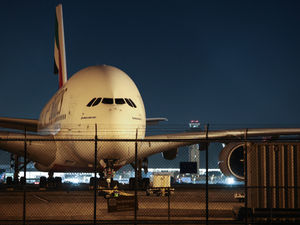
It says: "Escalation in the Middle East has caused widespread travel disruption, including airspace closures, delayed and cancelled flights. Your travel plans may be affected, even if your destination is not in the Middle East."
It advises British nationals to:
Check for the latest updates from your airline or tour operator before travelling.
Review your travel insurance policy for coverage before you travel.
Monitor local and international media for the latest information and sign up for travel advice email alerts.
If you have been impacted by travel disruption and need to review your Indian visa contact the nearest Foreigners Regional Registration Office (FRRO).