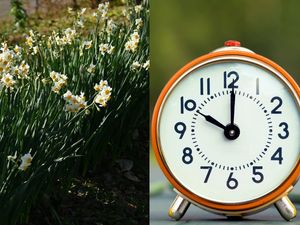
'Fans, light sheets and a cool shower before bed' - How to sleep at night as heatwave temperatures in West Midlands to reach 30C
A heatwave is descending on the West Midlands this week. And that means hot and bothered nights.
While many of us enjoy the gorgeous sunny days, the muggy evenings are a different story… and not nearly as pleasant.
Temperatures in the West Midlands will reach up to 30C by the weekend and may nit drop much below 18C at night.

That means it will be a nightmare for many trying to get to sleep.
To better understand why these humid nights can severely disrupt our sleep, we spoke with sleep expert Dr Greg Elder. He has shed some light on how humidity can impact our sleep quality and patterns, and has also shared some useful tips to help you get a better night’s rest.
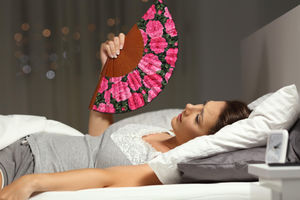
How can we combat hot nights?
Aim to keep your bedroom temperature near 19°C
“Keep your bedroom at as close to 19°C as possible,” advises Elder. “Bedroom temperatures that are over 25°C are bad for sleep. Electric fans can help – you can also get small fans that can plug into a USB socket that are quiet and effective.”
Keep the bedroom dark
Invest in some blackout curtains and blinds if you find that the evening light is creeping in and disturbing your ability to fall asleep.
“Keep your bedroom as cool and dark as possible and avoid sleeping anywhere else other than your bed,” recommends Elder.
Get up if you can’t sleep
If you’re lying awake for hours, get out of bed and do something calming, like reading a book.
“Avoid staying awake in your bed if you can’t sleep. Get up if you can and only go back to bed when you feel sleepy,” advises Elder.
Stay hydrated in the day
“Drink plenty of water during the day because this will help your body to keep itself cool at night,” recommends Elder.
Have a cool shower
“Before going to bed, a cool or lukewarm shower, or foot bath, can be a good way to help your body to relax and tell it that it is time for sleep,” says Elder.
Ditch the duvet!
It seems obvious, but many people keep their thick duvet on through the summer. Ditch it for a summer version or simply go for an old fashioned sheet on particularly hit nights.
Keep a regular schedule
“Try to keep to your usual sleep and wake schedule – regular sleep timing tends to be associated with better sleep quality,” advises Elder.

How does humidity impact sleep?
“We don’t know a lot about how humidity alone can affect our sleep, but we do know that humidity affects how we perceive temperature,” says Elder. “As humidity levels increase, the air temperature will feels hotter. Sleep and temperature regulation are very closely related – so the hotter it feels, the worse our sleep tends to be, and this is worse when we can’t properly acclimatise to it. For example, when a heatwave happens.
“How much sleep we get, and the quality of it, is affected by the interaction between our sleep need and our body clock (our circadian rhythms).
"Humidity affects our sleep and circadian rhythms directly by affecting how hot we feel. Our body temperature has its own circadian rhythm. Normally our body begins to cool down as we head towards our bed time and this opens our ‘sleep window’ but hot temperatures can interfere with this. Hot temperatures can also directly interfere with our sleep by affecting how much slow-wave sleep we get during the night. This is important because slow-wave sleep (deep sleep) plays a key role in growth, memory and immune function.”
What is the impact of humidity?
“High temperatures can interfere with our brain activity during sleep, and also the way in which our brain cycles between different stages of sleep (light sleep, deep sleep and rapid eye movement sleep, which is the stage of sleep where we typically dream), so it is possible that high temperatures and humidity could be bad for our sleep without us realising,” explains Elder.
“However, normally when we have a bad night of sleep, the effects will kick in when we get up the next morning. Sleep deprivation makes us feel tired and irritable, and it may be harder to concentrate and make decisions as normal.
“As humidity increases, it also makes it harder for our body to sweat normally.
"This means that during hot periods, especially when there is high humidity, our sweat can’t evaporate as normal, and it is harder for the body to cool itself.
“This is bad for our sleep and can make us feel restless if we can’t get to sleep because of that.”