£1 million research study in Telford revolutionising diagnosis of colorectal cancer reaches milestone
A £1 million research study in Telford aiming to revolutionise the diagnosis of colorectal cancer has reached a major milestone.
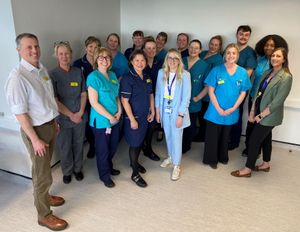
The TRIOMIC trial, taking place at the Community Diagnostic Centre (CDC) in Telford, has now recruited more than 500 patients from Shropshire, Telford and Wrekin.
Run by The Shrewsbury and Telford Hospital NHS Trust (SaTH), the trial is seeking to reduce the amount of time that patients have to wait for a colorectal cancer diagnosis.
The TRIOMIC study is developing a new test that aims to reduce the number of patients who require an invasive colonoscopy.
More than 500 symptomatic patients on the Colorectal Urgent Suspected Cancer pathway at SaTH have been recruited for the new test that collects rectal mucus samples.
The samples are then tested at laboratories for abnormal cells from cancer and significant polyps.
If successful, eight out of 10 patients will know that they haven’t got cancer within five days of the test, rather than having to undergo a 45-minute colonoscopy that requires full bowel preparation and a separate visit to hospital.
It's hoped the new technology will improve the experience of patients and ease pressures on staff who are working above capacity and decreasing costs for SaTH.
Origin Sciences has provided funding for staff and capital costs to allow development of the new pathway. Three clinic rooms have been created at the CDC while 14 members of staff have been recruited.
The trial is one of more than 50 research studies being carried out at SaTH.
Executive Medical Director, Dr John Jones said: "Research and innovation helps us to determine the best treatments and play a vital role in the care we deliver. We are always looking for opportunities to improve, whether it is how we transform surgical care, reducing screening waiting times through working differently, or trialling new processes to reduce waste.
"Embracing new ways of working can make a real difference to the care we provide."