Shropshire police cuts 'have not hit officers on beat'
Moves to save more than £20 million have not damaged front line policing in north Shropshire, officers say.
Changes across Shropshire saw the closure of nine police station front counters and the loss of more than 200 jobs, but have not affected resources on the front line, said North Shropshire officer Sergeant Claire Greenaway.
Councillors in Market Drayton have described the proposal as "farcical" after claiming there were fewer officers on the ground and the town's police station is not open to the public.
West Mercia police and crime commissioner Bill Longmore has warned taxpayers in Shropshire they are likely to be asked to pay more for the service, because it is "the right and fair thing to do".
Mr Longmore, who covers the West Mercia area, said keeping bills as they were was an "easy option", but that freezing rates would only create further financial problems for the force in the future.
He is considering asking for a near two per cent rise in the policing precept for 2015/16. It would mean people living in an average Band D property paying an extra £3.65 per year in council tax.
But Roger Hughes, Shropshire councillor for Market Drayton, said: "I think it is farcical asking for an increase in police precept.
"West Mercia have pooled their resources with Warwickshire but refuse to merge officially to save money. Now they want more money from us."
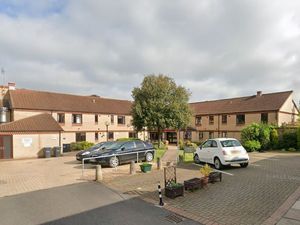
The counter service at Drayton police station has now been replaced with a contact point and town councillor Councillor Tim Beckett, mayor of Market Drayton, said: "Why should we pay more money and get less of a service?"
Mark Whittle added: "We have a police station which cost millions of pounds but it is never open."
Councillors decided to contact the force, asking what the extra money would go on.
Mr Longmore has said the force has to find another £33 million in savings over the next five years.
"There are no less police officers out on the street than there were before," she said.
"I think we have done what we said we would do; kept front line resources high on the priority."
The changes are part of a three-year plan to cut spending which began in 2012 while fresh plans to save around £30m between 2015-18 are under way with proposals to increase the police precept.
Front counter services at police stations across the county have already been reduced in a bid to save money, with some counters replaced with intercom contact points.
But Sergeant Greenaway said the move had not hit officers on the ground.
She said: "I don't think we have seen any issues – not from our experience.
"The officers who were here before the Comprehensive Spending Review are still here, we are still working in the same manner.
"The stations have closed but that's better addressed to police crime commissioner Bill Longmore.
"The only difference really is the north Shropshire teams work out of one police station in Market Drayton.
"But I've met them all this morning going out to their various patches and they satellite out to their towns – but what we have to recognise is we are a really big geographic area here.
"I have no less staff on the front line, and the patrol sergeant has no less staff on the front line than before the changes were made."
Constable Mick Sturland, of the Market Drayton safer neighbourhood team, said: "The biggest change people notice is the closure of the police stations front counters.
"Yet before the counter closures, we didn't get a great deal of people walking through the front door – but now it's not here people seem to miss it."
Sergeant Greenaway added: "In changing times the internet and social media is growing in popularity. The fact is that we no longer need people to issue paper copies for certain things – we do a one call fits all on the radio and that links us up to the DVLA, insurance companies and all sorts.
"They are all there with radio check. Whether we had the budgetary cuts as we had or not, I think it may have gone that way anyway because the demand had declined so much."