500 Ludlow buildings 'at risk' in VAT rule change
More than 500 historic buildings in Ludlow are at risk of going to rack and ruin because of Government plans to charge VAT on alterations to listed buildings, it was claimed today.
More than 500 historic buildings in Ludlow are at risk of going to rack and ruin because of Government plans to charge VAT on alterations to listed buildings, it was claimed today.
Grade II, Grade II* and Grade I listed buildings will be hit by the VAT bombshell, according to heritage experts.
The 500 structures in the Ludlow area are among 7,500 in Shropshire.
The Government already charges VAT on repairs to listed buildings but, from October, they also want to charge for alterations.
Simon Buteux, chairman of the Ludlow Civic Society, has claimed developers and house owners might be unwilling to help save some of the county's most historic buildings once the tax comes into force.
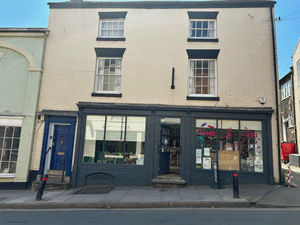
Ludlow has several historic buildings such as the Feathers Hotel and the Reader's House. Heritage chiefs say alterations include installing something new to a listed building, inside or outside, such as an extension.
Repairs are refurbishing existing aspects of the structure, such as rotting timber beams, and do not alter the building's appearance.
According to the National Heritage List there are 7,520 listed buildings in Shropshire, ranging from historic castles to cottages.
Projects in south Shropshire to be hit include Bishop's Castle Town Hall, which could be forced to raise another £70,000 just to cover the tax hike. In danger of being scrapped altogether is the £3.3 million plan to redevelop the former home of playwright John Osborne, in Clunton, where project leaders say another £250,000 would have to be found to cope with the extra VAT.
Heritage chiefs warn the tax on alterations will affect small-scale changes to listed cottages, barns and other buildings. Mr Buteux said: "The line between what is repaired and what is altered can become blurred. But the problem is by taxing both repairs and alterations people are not being encouraged to look after ancient buildings."
By Peter Finch