Counting the cost of fuel and power
Inflation and the causes of inflation are subjects our politicians spend a lot of time talking about, writes Andrew Collier who farms at Ingestre near Stafford in his new farming column in The Farmer
Inflation and the causes of inflation are subjects our politicians spend a lot of time talking about as it affects the cost of living.
The three things that affect inflation most are food, energy and the public sector – a public sector which the private sector cannot afford.
So it is not surprising to hear our Prime Minister David Cameron talking about prosecuting oil companies that unfairly keep prices higher than they would normally be through natural supply and demand.
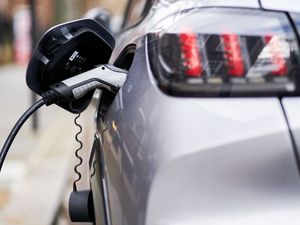
High energy and fuel costs automatically drive up the cost of food. It is not only the amount it takes to drive all agricultural machines but the road haulage to supply the farm inputs and to deliver the produce to processors and supermarkets.
On top of this, the public drive many miles to supermarkets to do the weekly shop.
So would it be wise for our ministers, whilst investigating fuel prices, to look into taxation of fuel and how successive Governments have used inflationary tax escalators to bring in even more revenue from fuel.
As far as agriculture is concerned, a further red diesel tax was introduced with the outcome of taxing every agricultural tractor and harvester in fields that produce food, hence taxing the production of food.
The Government should also look at how the cost of fertiliser has doubled and trebled in the past five to six years! Tariffs on energy also need close scrutiny as they drive up household bills and also cause inflation. Driving up tariffs to subsidise wind farms etc at the same time as closing down fossil fuel fired power stations will not help.
In spite of some food price inflation, historically, food is still cheap as ex-farm prices go. What has changed is the expectation and standards consumers now expect from where and how their food is produced, processed, packed and marketed. These factors have a massive impact on price inflation.
The scandal of horse meat was not only a labelling issue but also a health issue, as the meat was not traceable. This issue alone has caused inflation as it will bring to an end supermarkets scouring the world for cheaper ingredients to make even greater profits.
The upside is that we get a much greater diversity in the food that is available to eat, but diversity does not always come cheaply.
Successive governments have failed to recognise the need for a strong and growing agriculture to supply the the growing population in what they require to eat.
Maybe this is the end of the government cheap food policies that dogged the industry since the early 1980s.
So my message to this government is without food price inflation there will be no food and quite likely there will be no gas and electricity to cook it with if they do not move away from the green energy policies they are currently pursuing.
We need to invest in modern nuclear power stations where other naturally renewable sources such as hydro electric and maybe harnessing the timeless ebbing and flowing of the tides around our coasts cannot be achieved. It will take more than government ministers short term sound bites to fix the future security of food and energy.
Andrew Collier is a former chairman of Staffordshire NFU