Historic Shropshire manor seeks national recognition for historic dance
A historic manor in Shropshire has nominated a dance dance for national recognition
The UK is building its first inventory of Intangible Cultural Heritage (ICH) following UK ratification of the 2003 UNESCO Convention for the Safeguarding of the Intangible Cultural Heritage. Soulton Hall, a historic Shropshire manor near Wem, has officially nominated 'The Dance of Harmony' from As You Like It.
This living tradition, which honours the deep philosophical heritage of drama, is held to be a unique, kinetic memory of English history. It carries a weight of history far beyond a simple performance, connecting the Hall's architecture and founder, Sir Rowland Hill, directly to the Elizabethan Settlement and the publication of the 1560 Geneva Bible.
The nomination centres on the manor's profound connection to its builder, Sir Rowland Hill, the statesman who inspired the heroic 'Old Sir Rowland' character in As You Like It.
The dance tradition itself is far older than the play, pulling on classical understandings of geometry and order -- concepts maintained and transmitted through the Anglo-Saxon period right up to Hill's time. Hill built Soulton Hall in the C16th, during the intense religious and political trauma of the Marian Counter-Reformation.
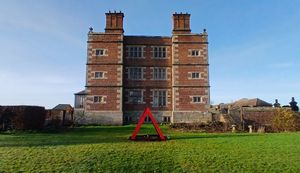
Hill’s influence was instrumental in the Protestant transition: he is strongly associated with the publication of the revolutionary Geneva Bible, a key cultural and theological text that ushered in the Elizabethan Age Settlement. Built between 1556 and 1560, Soulton Hall served as a clandestine base and sanctuary for this work and for the persecuted scholars involved.
The philosophical depth of the Hall's architecture reflects this critical statecraft. Scholarship by James D. Wenn of Byrga Geniht confirms that Hill’s complex use of geometry and symbolism -- including the concealed chapel and priest's hide --- constitutes a Renaissance Code.
This silent, intellectual language of Harmony, Order, and Reconciliation was designed as a sophisticated response to national division. It is believed that Shakespeare witnessed this older tradition, incorporating the culminating dance into As You Like It because it perfectly captured the play's theme of restoring balance and order.
These matters were recently set out in the Colchester exhibition, "Number in space and time: Plato's fifth element," further demonstrating the contemporary relevance of these foundational Renaissance principles. The Dance of Harmony, which closes As You Like It, is the culmination of this quest for order—the moment when the chaos of exile is resolved and balance is restored, echoing the Hall’s original function as a philosophical sanctuary.
Furthermore, the Hall’s unique design is also held to memorialise St. Erkenwald, the 7th-century Bishop of London, who oversaw a period of peace and reconciliation between various factions.
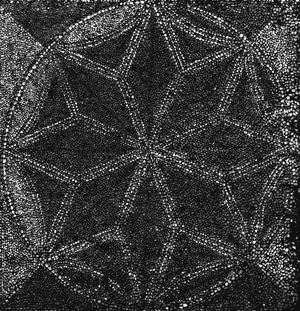
Soulton Hall highlights that the honouring of drama, centred on the Dance of Harmony, meets all criteria for inclusion in the national inventory.
Firstly, concerning Cultural Identity, the tradition is a tangible link to the founder's statecraft, the philosophies that ushered in the Elizabethan Age, and the spiritual memory of reconciliation embedded in the Hall's structure, as evidenced by the work of Wenn and others.
Secondly, regarding Economic Value, this unique cultural practice attracts national and international visitors for immersive stays and heritage tours, providing employment and contributing directly to the local Shropshire economy. Finally, for Transmission, Soulton Hall is committed to teaching and preserving the coded message of order within the tradition, ensuring it is transmitted to future generations.
The nomination process requires submissions to demonstrate that the tradition is highly valued by the community that practices it. "We are calling on all of Shropshire, and supporters of complex UK heritage everywhere, to help us secure the recognition and safeguarding of this vital tradition," the spokesperson stated. The deadline for the first round of the inventory is Friday, March 27, 2026.
Full details on how to submit a letter of support and the criteria for the inventory can be found at www.livingheritage.unesco.org.uk.