Learn some simple first aid techniques in time for Halloween and Bonfire Night
As communities prepare to celebrate Halloween and Bonfire Night with a bang, St John Ambulance shares some simple, but lifesaving, first aid advice for those adding a bit of sparkle to their celebrations this year.
Firework filled festivities are often great fun for adults and children, but they can be prone to accidents and injuries.
St John Ambulance’s Head of Clinical Delivery, James McNulty-Ackroyd, said: "With hugely popular celebrations like Halloween and Bonfire Night just around the corner, why not spend a little time learning some simple but effective first aid techniques to help keep yourself, family and friends safe.
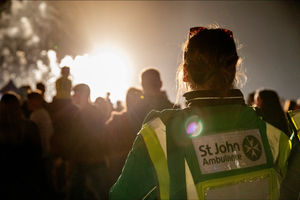
“Our trained St John Ambulance volunteers regularly provide support at community events across the country, but they won’t be able to attend private gatherings. Whether you’re lighting fireworks, sparklers, candles or bonfires, take care and follow safety guidance. If someone does get hurt, even slightly, knowing how to respond can make a real difference. And remember—if the injury is serious, always call 999 straight away."
First aid is very easy to learn and you never know when you might need to use it. Here is some important fire-related first aid advice for those looking to stay safe while enjoying the celebrations:
Firework First Aid
Burns or scalds
If someone’s got a burn or scald:
Move the person away from the heat
Place the burn or scald under cool or lukewarm running water for 20 minutes minimum
If the burn is to a child, larger than their hand, on the face, hands or feet, or is a deep burn, call 999
Remove jewellery and clothing around the area, unless stuck to the burn
Cover the burn loosely, lengthways with kitchen film wrap to help prevent infection and keep it clean
Don’t burst blisters
Monitor and treat for shock if necessary
Tell them to seek medical advice. This is essential for all severe burns and also for minor burns in children, or if on the face, or if you are concerned about someone’s condition.
Debris in the eye
If someone’s got something in their eye:
Tell them not to rub it, so they don’t make it worse or cause more damage
Tilt the head so affected side is nearest the ground. Pour clean water over their eye to wash out what’s in there and/or to cool the burn
If this doesn’t work, try to lift the debris out with a damp corner of a clean tissue
If this doesn’t work either, don’t touch anything that’s stuck in their eye – cover it with a clean dressing or non-fluffy material
Then take or send them straight to the Emergency Department at hospital.
Smoke inhalation
If someone’s inhaled smoke fumes:
Move them away from the smoke so they can breathe in some fresh air
Help them sit down in a comfortable position and loosen any tight clothing around their neck to help them breathe normally
If they don’t recover quickly, call 999 for an ambulance. Keep them calm whilst they are waiting.
For more information or first aid advice, visit sja.org.uk