Opinion: Why proportionate boundaries are the key to a healthier, happier society
Boundaries aren’t just about rules. They are the unseen frameworks that hold families, schools, and communities together. Without them, chaos and confusion creep in. With them, people feel safe, respected, and free to grow. The trick is getting the balance right.
Proportionate boundaries—limits that are fair, consistent, and respectful—are one of the most overlooked solutions to the rising mental health and behavioural issues in our society. Get them wrong, and you get trouble. Too few boundaries, and we see instability, conflict, and mistrust. Too many, and we crush individuality and create resentment. Get them right, and we foster healthier, more responsible citizens.
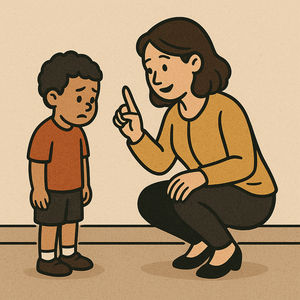
Parenting: Where Boundaries Begin
A child’s first lessons about boundaries come from their parents. When boundaries are too loose, children feel unsafe and may grow into adults who struggle with self-control. When boundaries are too strict, children often rebel or retreat into themselves. Proportionate boundaries send a healthier message: “I value you, I’ll keep you safe, and I’ll let you grow.” These children learn self-discipline and respect for others—skills that last a lifetime.
Schools: Learning Inside a Safe Framework
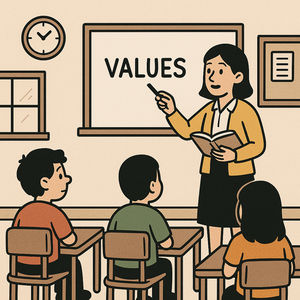
Schools are not just for academic learning; they’re also where children learn how to live in society. Rules in schools should be clear and consistent, but never just about control. When they are too harsh, they breed resentment; too lax, and learning suffers. Proportionate boundaries create classrooms where everyone feels safe, respected, and ready to learn.
Institutions: Setting the Tone for Society
From local councils to law enforcement, the boundaries set by institutions shape the tone of community life. If rules are applied unfairly or inconsistently, trust breaks down. When proportionate boundaries are in place—laws applied with fairness, policies shaped with humanity—citizens feel respected and are more likely to engage positively with those systems.

The Link to Mental Health
As a Therapist and Life Coach I repeatedly engage with clients who lack a clear sense of boundaries that result in confused internal boundaries that impact on mental health.
Clear, proportionate boundaries reduce stress and uncertainty. They give people a sense of safety in an unpredictable world. Without them, anxiety, depression, and behavioural problems often rise. With boundaries, individuals and communities can thrive.
A Community-Wide Responsibility
Healthy boundaries aren’t just a parenting issue, or a school issue, or a government issue—they’re everyone’s responsibility. They’re part of our social contract: ‘I’ll respect your needs and rights, and I expect you to respect mine’. This mutual respect keeps relationships strong and communities stable.
If we want a society with lower crime, better mental health, and less conflict, we must look again at how we set and maintain proportionate boundaries—in our homes, our classrooms, and our institutions. They’re not barriers to freedom; they’re the scaffolding that keep us safe and helps us grow.
By Stephen Ellerker MSc (psych)
Therapist & Life Coach