Townhouse: Nail salons overlooked by male-led investment for decades
Townhouse, which runs 44 luxury nail salons, said it was targeting hundreds of new franchised sites.

Nail salons are next in line for Starbucks-style expansion after decades of being overlooked by investors, the boss of the UK’s largest luxury chain has said, after clinching a £130 million valuation.
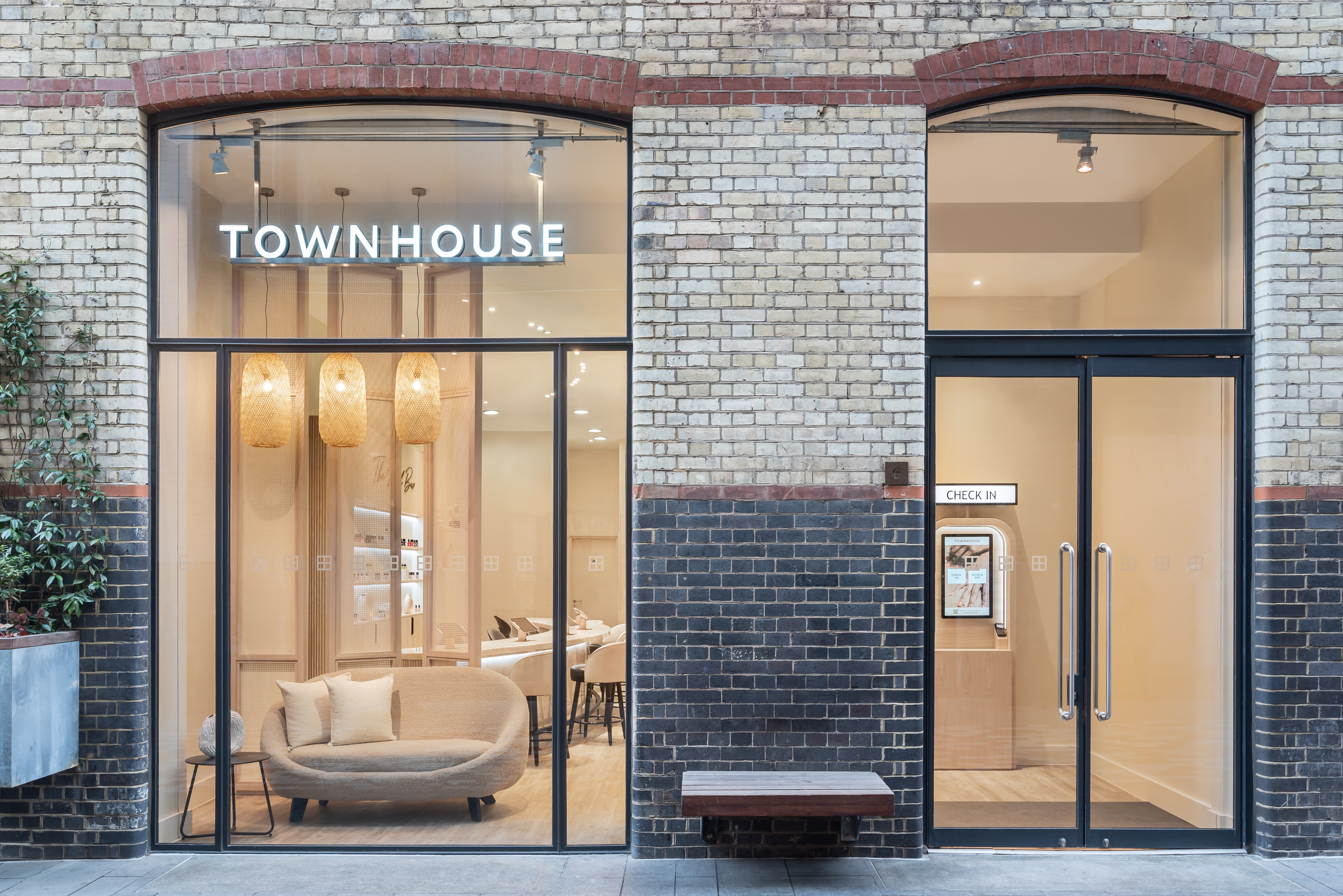
Townhouse, which runs 40 luxury nail salons in the UK, said it was targeting hundreds of new franchised sites after securing backing from the US private equity firm behind the Burger King and Tim Horton chains in China.
The new investment from Cartesian Capital will propel the expansion of the business, which was founded in 2018 by Juanita Huber-Millet and headed up by her husband and chief executive Jonathan Millet.
Mr Millet said it was capturing a turning point in the nail care industry, which is highly fragmented and has been typically under-invested in compared with other services.
“I think there is probably an element of beauty services overall being overlooked,” he told the Press Association.
“I would say there is a little bit of an element of, historically, 20, 30 years ago, finance and capital being very dominated by men, and this being a sector that primarily serves women.
“So if you’re a male private equity investor maybe 15 or 20 years ago then maybe it wasn’t front and centre of your mind as something to invest in.”
He made comparisons with industries such as coffee houses, hotels, gyms and sandwich shops, which have all expanded with the emergence of chains over recent decades.
Other parts of the beauty salon sector, such as waxing and massages, have started to grow with brands “delivering that Starbucks-esque experience” after years of the beauty services industry “lagging behind”.
Meanwhile, there are no major nail salon chains in the UK, with Townhouse entering a market that is typically led by independent and boutique shops.
Mr Millet also said the nail industry has been plagued with poor working conditions for staff, a lack of employment contracts, and even cases of modern slavery.
“In our industry there has historically been quite a lot of exploitation of workers,” he told the Press Association.
“When Covid hit, there were a lot of people in the industry who didn’t have contracts, who were just being paid cash in hand, so they didn’t get government relief.
“And we still see a lot of people, as we’re recruiting, who have worked in the industry and not had contracts – all the way through to, less pervasive but there, some elements of trafficking and indentured labour.”
Townhouse says it offers its nail technicians above-market pay, private healthcare, paid leave and structured career progression, including in the US, where it currently has a handful of stores.
The business has signed up major franchisees, with about 149 sites committed over the next five years, and another roughly 350 in advanced negotiations.
It said this would bring the chain to about 500 salons internationally and create an estimated 5,400 jobs.
Mr Millet said Townhouse sits in the “premium to luxury part of the market” with prices ranging from about £30 to £100 for each treatment.
He suggested that nail care was “more resilient” to economic downturns, adding: “We see people who may need to cut down in some parts of their lives really keep up their beauty regime because it’s that small moment of luxury.”
“It’s not affordable for everyone, but it’s a price that people are willing to pay.”
The chain is predominately focused in London but has also opened salons in cities including Manchester, Bristol and Leeds.