
Analysis: Shrewsbury Town undone by two set-pieces as Walsall clinch derby
As the old saying goes, nothing lasts forever and Shrewsbury Town’s stunning revival under Gavin Cowan suffered a jolt with defeat to Walsall.
The surge that had propelled Cowan’s side to the in-form team across England’s top four divisions finally lost momentum as Walsall delivered a disciplined, pragmatic display, capitalising on set-plays to halt Salop’s push for a sixth consecutive league victory.
Town’s bid to reach that milestone for the first time in three years ultimately fell short, while the visitors also inflicted Cowan’s first home defeat since taking charge.
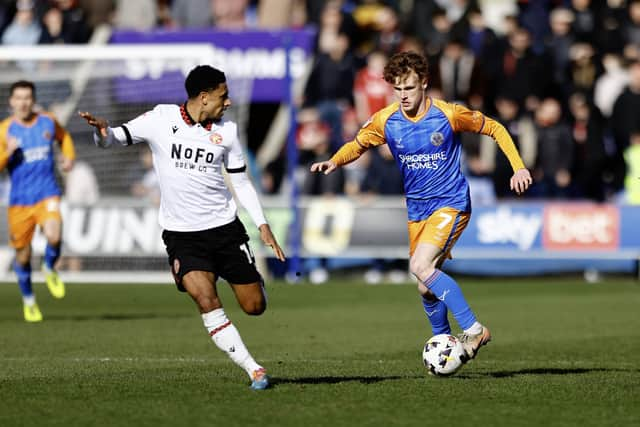

For weeks Shrewsbury had found ways to navigate tight contests - here, they encountered a game state that would not bend in their favour. The loss not only halted the winning streak but served as a reminder of how slender the margins remain during a rebuild.
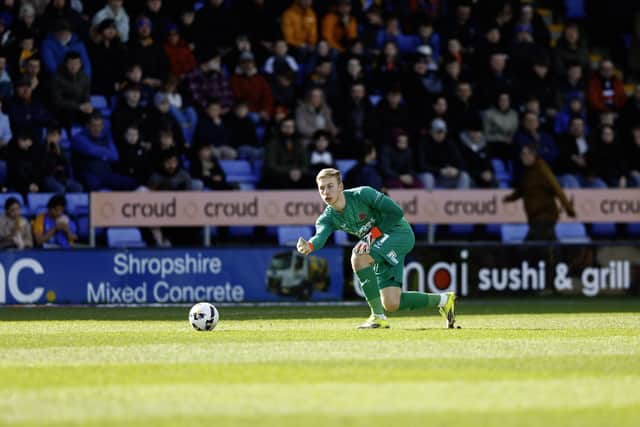
There was a sense that Salop’s energy reserves had been stretched. A relentless February schedule comprising seven matches concludes with five wins - a return that still underscores the scale of the progress achieved.
Four weeks into Cowan’s tenure, the turnaround has been striking, yet this derby, played in front of a bumper crowd, hinted at the cumulative toll of that run.
The difference between clinical execution and being fractionally off-tempo proved decisive, particularly when defensive lapses were punished.
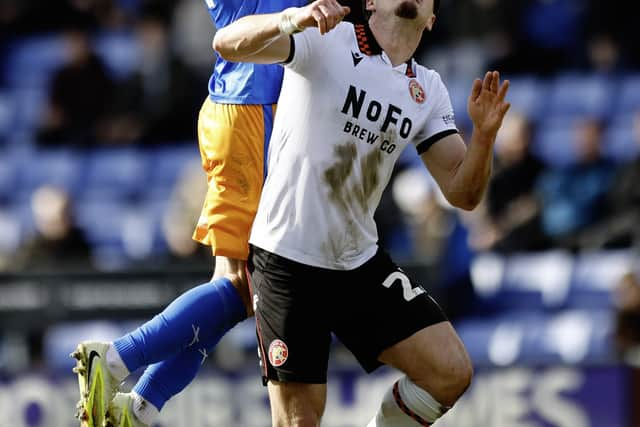
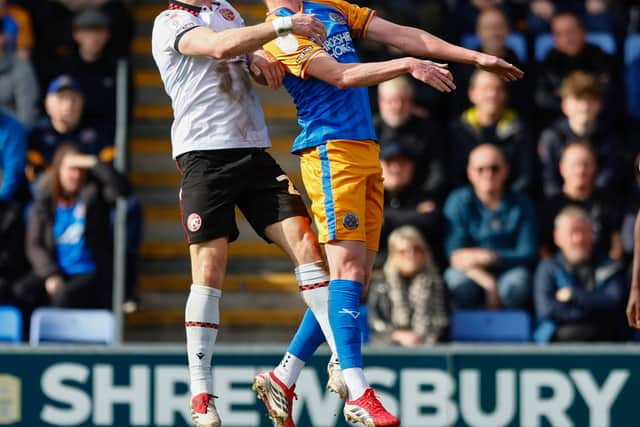
While it was not a performance to linger over, neither did it constitute a damaging setback. Even in defeat, there were constructive signs.
As Cowan suggested afterwards, Shrewsbury were not repeatedly opened up in open play, rather, they were undone by a Walsall side efficient in key moments, especially from rehearsed dead-ball situations, and motivated by their own need to arrest a slide in form.
From a broader perspective, the trajectory remains upward. One defeat does little to erode the structural improvements and renewed confidence cultivated over the past month, even if it serves as a timely indication that the resurgence remains a work in progress rather than a completed transformation.
The decisive contributions came from defender Priestley Farquharson, whose brace ultimately tilted a contest that had felt delicately balanced at the interval.
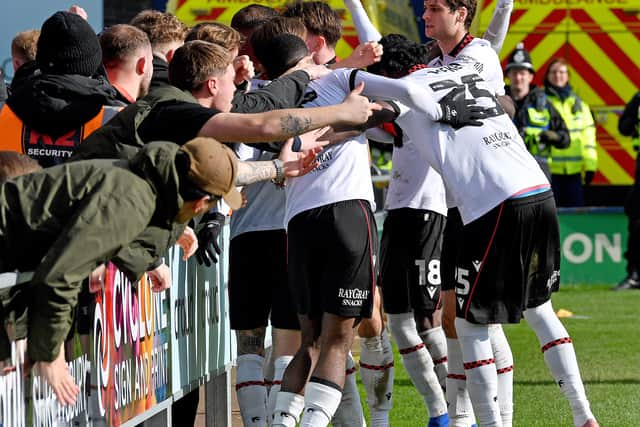
Cowan’s side began with the assurance of a team in rhythm, circulating possession with intent and attempting to impose tempo through controlled phases.
Yet Walsall’s response reflected a clearly defined plan built around territorial pressure and set-piece threat.
The opening goal encapsulated that approach - a well-delivered free-kick, the initial contact won, and Farquharson reacted sharply to guide a composed finish into the bottom corner.
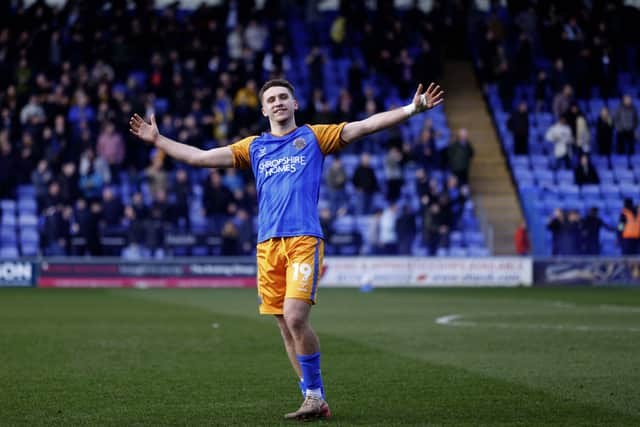
The contest carried an authentic derby edge, frenetic on the pitch and vibrant in the stands, with flags and banners illustrating the renewed belief among the home support.
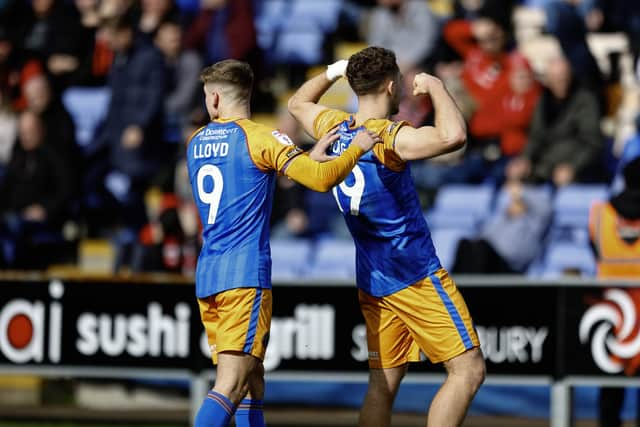
Moments before the interval Salop were back level through Iwan Morgan, whose influence since arriving on loan from Brentford has been considerable.
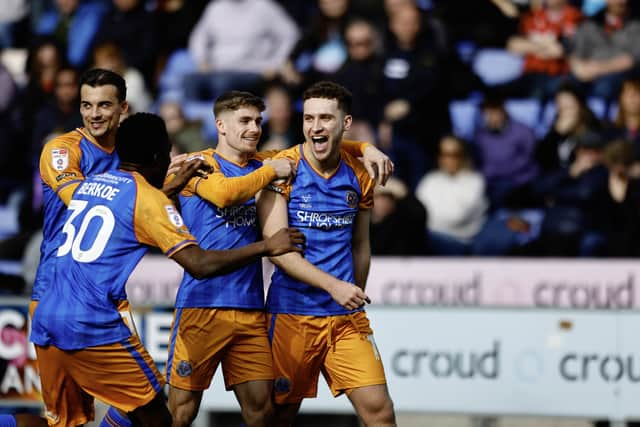
Standing over a free-kick on the edge of the area with the final seconds of the half ticking away, there was a sense of inevitability. Morgan’s strike whipped through a crowd and beyond the goalkeeper, shifting momentum and mood heading into the break.
After the restart, however, the pattern shifted. Walsall asserted greater territorial control and increased their attacking frequency, forcing Shrewsbury into longer defensive phases.
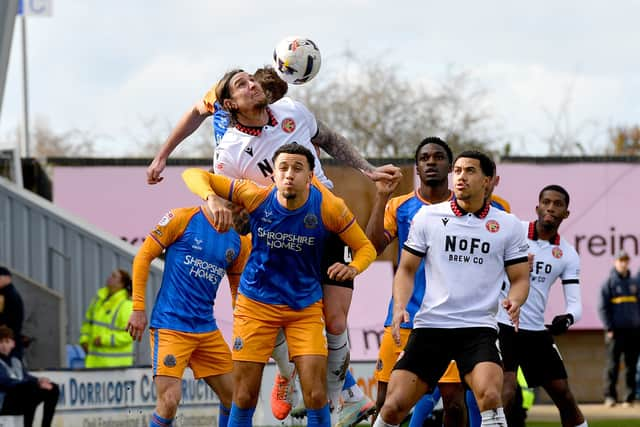
Matt Cox, otherwise composed, endured a brief moment of uncertainty when he spilled Jamie Jellis’ header, though his recovery prevented punishment.
Jellis remained a persistent outlet, his powerful volley drifting narrowly over on the hour mark - a warning that the balance of momentum had tilted.
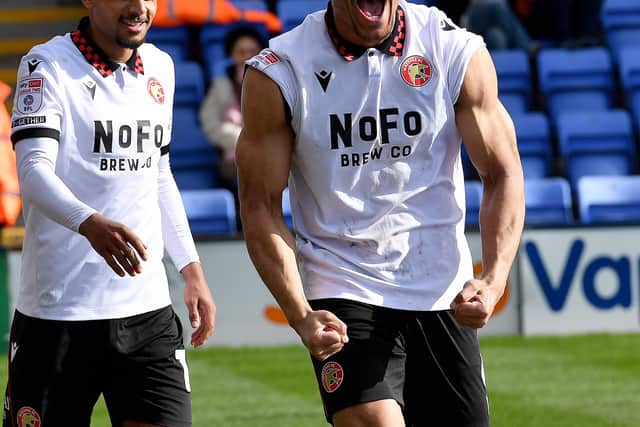
That pressure eventually translated into a decisive moment. Another well-executed set-piece exposed Salop, with Farquharson rising highest to head home and reward Walsall’s persistence.
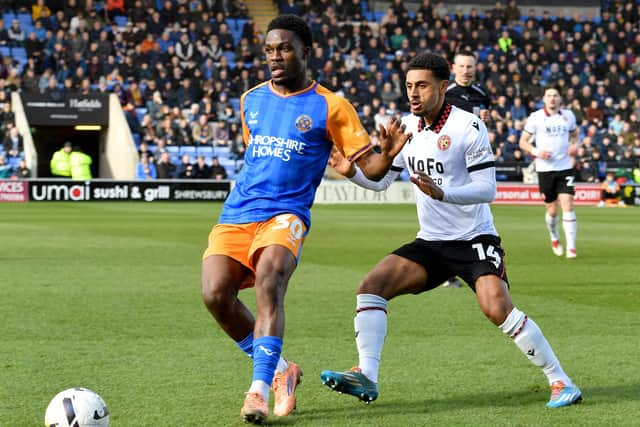
In contrast, Shrewsbury struggled to generate sustained attacking incisions. Will Boyle headed wide from Tom Sang’s delivery, while Morgan’s late efforts - a near-post strike well saved by Sam Hornby before firing over - illustrated the absence of a consistent cutting edge as the clock wound down.
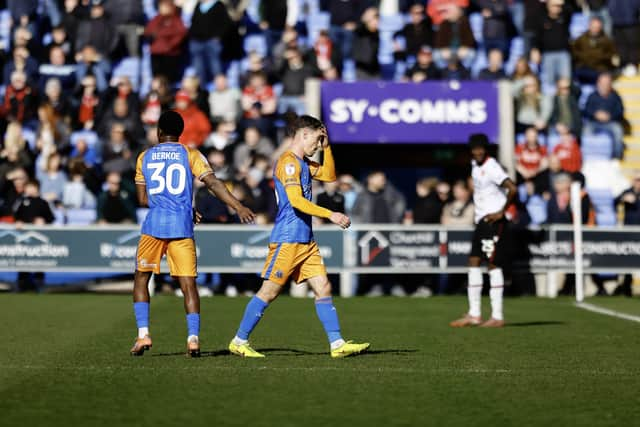
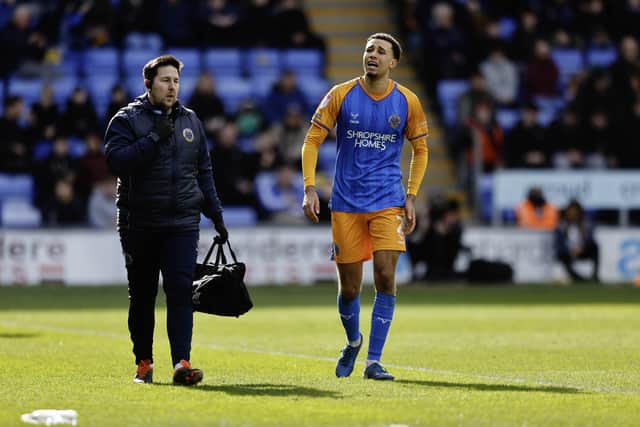
Late frustration compounded the sense of a day slipping away. Josh Ruffels’ stoppage-time dismissal, after clearing the ball, extinguished any lingering hope of a late rally, while the first-half injury to Luca Hoole deprived Cowan of one of his most reliable outlets.
The wider picture, though, remains stable. Shrewsbury still sit clear of immediate danger, their recent run evidence of a side with renewed identity, cohesion, and belief.
Yet this defeat acts as a useful corrective - sustaining their upward curve will depend on converting territorial control into clearer chances and reasserting authority in both penalty areas.
In that sense, this was less a derailment and more a reminder of the demands of consistency. Town are a teamprogressing, but not yet the finished product.