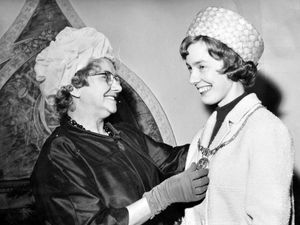
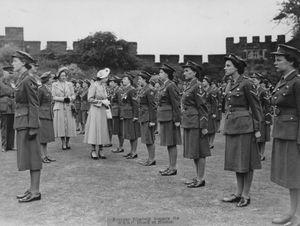
'Residents are right to be concerned about emissions from the proposed Hixon incinerator' - Your Letters and a royal visit to Shrewsbury in a 1949 picture from the archives
Health concerns over incinerators, talk of better times in 2026 - or maybe not, and considering life's oddities...
Health concerns over incinerator
Hixon resident Amelia Garner and others are right to be concerned about emissions from the proposed Hixon incinerator harming health.
ONS data show a consistent link between exposure to incinerator emissions and higher rates of infant mortality and yet the Environment Agency continues to issue permits for incinerators whilst their expert advisers fail to check relevant health and mortality data around incinerators.
After the SELCHP incinerator started operating in Lewisham in 1993, the previously falling infant death rate in Lewisham suddenly rose, just like the rates of stillbirths, percentages of low birthweight babies and the asthma death rate at all ages.
The Inside Croydon article of 15 October 2024 reported how two doctors with responsibility for public health declined to follow-up the link between incinerators and infant mortality – just like the Environment Agency today, according to the letter they sent Stuart Anderson MP dated 25 September 2025, which he kindly forwarded to me.
Michael Ryan, Clee Hill
Why 2026 may be a bit tricky
Aunt Dolly is the great optimist within the family, her glass is always half full.
In contrast Uncle Norbert and I are a glass three quarters empty kind of chaps, who at times cannot even see a glass!
Surely the year 2026 will bring us better times for all says Aunt Dolly.
But Uncle Norbert and I are not so sure looking at previous centuries.
1926 saw a General Strike across the UK. Let us hope that all Network Rail employees, Underground workers, NHS staff and the Peoples Liberation Army, otherwise known as the Unite Union, are not planning to celebrate the centenary in their own unique fashions.
1826, James Sharp of Northampton installs the first domestic gas cooker in his home. Just 2 days later he starts nipping out for takeaways.
1726, London, and Margaret Clap (honest guv that was her name) is prosecuted for keeping a "Molly House," a house of male prostitutes. This just goes to prove that female enterprise was flourishing even in the 18th century.
1626, King Charles dissolves Parliament. Has his namesake and distant successor had any thoughts along the same lines? It would be very popular with many and save a lot of hot air and paper.
1526, Bartholomew Barnaby Steggles flees from Shropshire to deepest Norfolk when the Sherriff starts investigating his business of arranging for people to go to The Americas for a cut rate price that would only take 4 weeks. Once out of sight of land his ship just sailed around in circles for four weeks then landed the passengers in the dark next to Bexhill-on-Sea.