'Simply shifting existing resources from hospitals and GP practices isn’t enough' - Your Letters: July 10
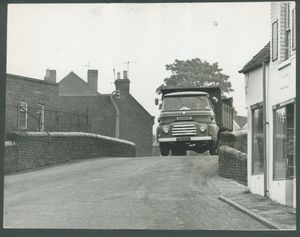
PICTURE FROM THE ARCHIVE: Lorries were a common sight in Swindon High Street in July, 1969, when the village was still a centre for farming and light industry, and the parish council was calling for improvements to the canal bridge. Now a commuter village, Swindon looks very different today.
NHS PLAN NEEDS STAFF INVOLVED
The Health Secretary says the Government’s 10 Year Health Plan has staff’s ‘fingerprints all over it’, but for it to make a real difference to patients and services it needs to work hand-in-hand with those of us working on the frontline here in the West Midlands and across the country every day.
Every proposal in the Plan needs substantial investment – whether that means upgrading technology, repairing our deteriorating hospital and GP premises, or recruiting and training more staff. Simply shifting existing resources from hospitals and GP practices isn’t enough.
As for great neighbourhood care, there’s no doubt that early intervention is better - and prevention is better than cure – but this shift from hospitals to communities cannot happen overnight and must be underpinned by a detailed plan on resourcing it properly. If this is rushed through without proper consideration and engagement, it risks heaping pressure on both hospitals and primary care by taking resource away from one while piling work on to the other. The lack of grassroots and frontline engagement reinforces the devaluation of the medical profession by the government across the health system so it is vital that the Government listens to the profession. Ultimately, if we want to ensure that patients in the West Midlands can get the care they need, when they need it, proper and sustained funding is essential.
Dr Ian Barros D’sa, BMA West Midlands Regional Council Honorary Secretary