Seafood-rich diet increases sexual activity and pregnancy chances, study finds
Researchers advise couple trying for a child to incorporate more seafood into their diet.
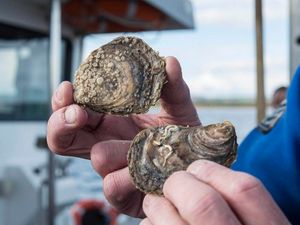
There may be something to that myth about oysters and sex drive after all.
Couples who eat a lot of seafood have sex more often and are quicker to achieve a pregnancy, new research has shown.
The findings may be partly explained by the effects on semen quality, ovulation and embryo development, scientists believe.
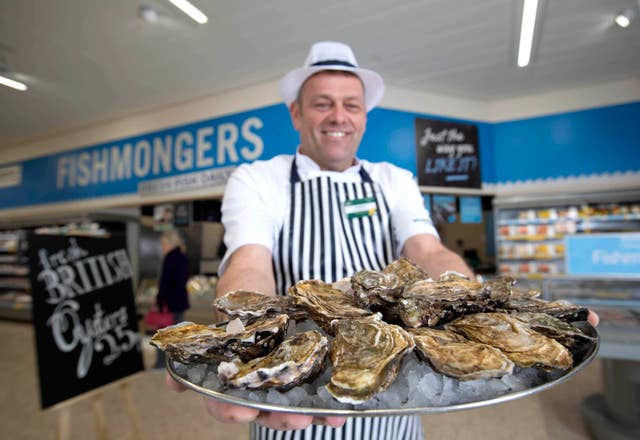
The scientists tracked the dietary habits of 500 couples for one year to determine the relationship between seafood consumption and time to pregnancy.
All the participants were enrolled into the Longitudinal Investigation of Fertility and Environment (Life) study looking at environmental influences on birth success.
The findings showed that 92% of couples who ate seafood more than twice a week achieved a pregnancy at the end of one year compared with 79% of those consuming less seafood.
The association between seafood consumption and faster time to pregnancy could not be completely explained by more frequent sex, said Ms Gaskins.
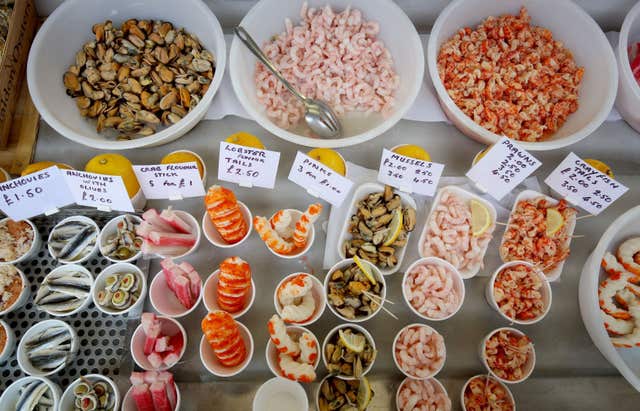
Ms Gaskins added: “Our results stress the importance of not only female, but also male diet on time to pregnancy and suggests that both partners should be incorporating more seafood into their diets for the maximum fertility benefit.”
The research is reported in the Journal of Clinical Endocrinology & metabolism, published by the Endocrine Society.