Is graphene lasering the future of product labelling? These scientists think so
No more sticky labels.
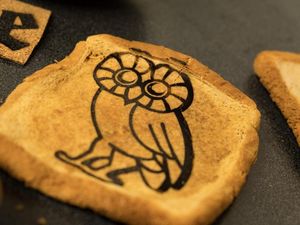
Scientists have found a way to laser electricity-conducting labels onto food and textiles, using nothing at all.
Instead of overlaying a material onto the product to make the label, the laser is able to take the material and convert it into graphene.
The best thing about this new method is that graphene can conduct electricity, so it can be used for a variety of interesting purposes.
This means the laser process can be used to label foodstuffs to show place of origin, journey to table and use-by dates, or include sensors to pick up the presence of E.coli and other dangerous micro-organisms.

He also said Laser Induced Graphene tags could also be sensors that detect E.coli or other micro-organisms on food. “They could light up and give you a signal that you don’t want to eat this,” Tour said.
“All that could be placed not on a separate tag on the food, but on the food itself.”