Driverless cars could be vulnerable to mass hacking, warns expert
“There is a real risk of this happening,” says Matthew Channon, an expert on driverless cars from Exeter University.
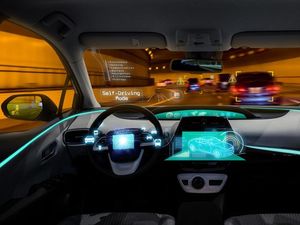
Driverless cars could be vulnerable to being hacked en masse, according to an expert.
Autonomous vehicles could be a target for hackers, says Matthew Channon, an expert on driverless cars from Exeter University, because of the connectivity they rely on for updates and to read road and weather conditions.
He has warned MPs about the potential threat as part of his written evidence to Parliament as it considers the Automated and Electric Vehicles Bill.
“Particularly if more than one vehicle is hacked at the same time and damage is caused, there is a real risk of this happening and this is a real target due to the connected nature of these vehicles.”
Fully autonomous cars could be on Britain’s roads by 2021, Transport Secretary Chris Grayling said last week.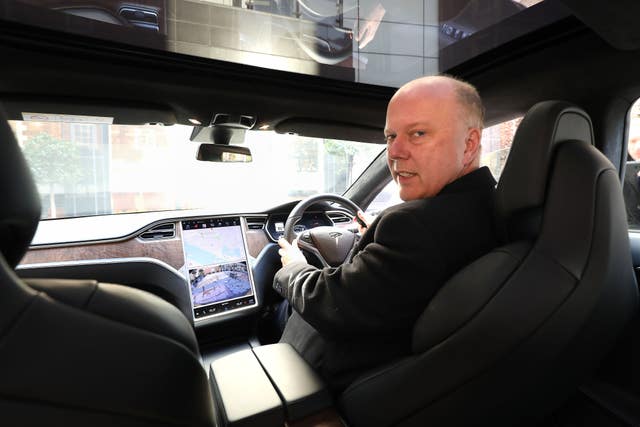
It is thought that such vehicles will reduce the number of accidents and make roads safer by removing human error.
In the US, Google’s self-driving car company Waymo has removed the backup driver from its autonomous vehicles.

It is using a Chrysler Pacifica minivan in its testing.