WWF warns of growing trade in illegal wildlife products for treating ailments
The illicit trade is being driven by tourists looking to buy traditional medicine.
Huge volumes of products from endangered wildlife are being illegally traded in South East Asia to treat ailments ranging from stomach illnesses and asthma to rheumatism and arthritis, a new report has warned.
According to conservation charity WWF, the region’s Golden Triangle – a 367,000-square mile (950,000-square kilometre) area where the borders of Thailand, Burma and Laos meet – has become a “breeding ground for illegal wildlife trade” with around four million US dollars (£3 million) worth of goods on display at Burma’s Mong La market alone.
The illicit trade is being driven by tourists from China and Vietnam looking to buy traditional medicine containing parts derived from endangered animals, the report said.
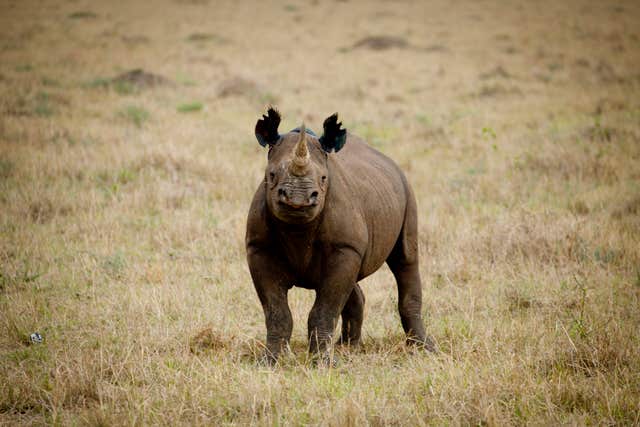
The list is based on surveys conducted by WWF of illegal wildlife markets, shops and restaurants and data from wildlife trade monitoring network TRAFFIC.
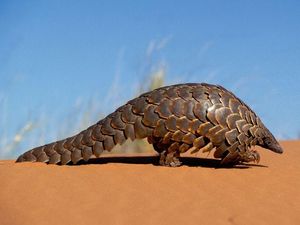
The pangolin, whose scales are used in Chinese medicine to treat ailments such as asthma, rheumatism and arthritis, and whose meat is served up as a high-status delicacy in China and Vietnam, is believed to be the most illegally traded mammal in the world.
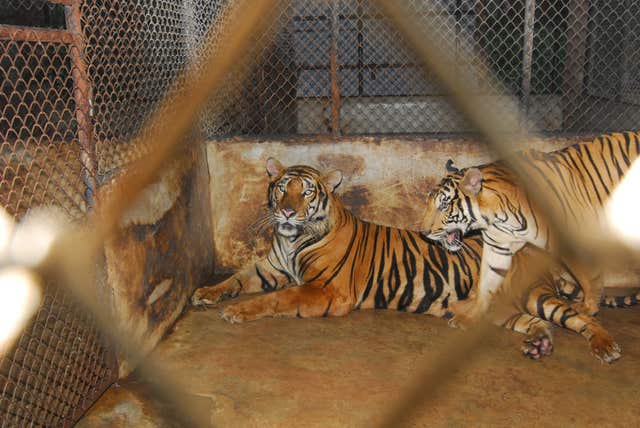
The Golden Triangle – where around 200 wild tigers are thought to live – has become a hub of tiger trade where parts are being sold as decoration, medicine and even wine, the report said.
Poached elephants are being skinned in Burma to meet demand for elephant skin usage as a cure for stomach ailments while the illegal trade of bears is being driven largely by demand for bile used in folk remedies across Asia, it added.
Chrisgel Cruz, technical adviser on wildlife trade for WWF-Greater Mekong, said: “The markets of the Golden Triangle are a shocking and sobering sight, displaying thousands of body parts of some of the world’s most iconic and endangered animals.
“Governments, law enforcers, NGOs and companies must act now to secure the future of endangered species by getting tough on criminals, supporting those protecting the animals on the frontline and raising awareness across Asia of the need to close these markets.”