Male patients likelier to die if woman donating blood has been pregnant, study finds
The trend was not seen in female patients.
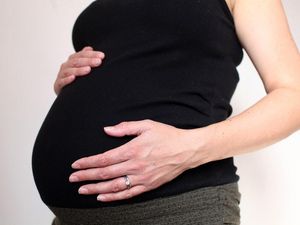
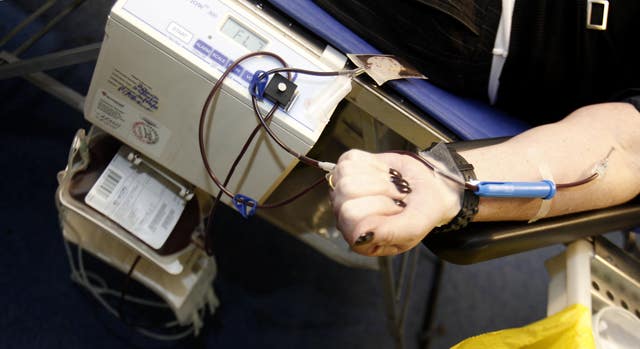
Male hospital patients receiving blood transfusions are more likely to die if they get it from a woman donor who has been pregnant, a study suggests.
The same trend was not seen in female recipients of blood.
The most common cause of death was transfusion-related acute lung injury (Trali), which was specifically associated with blood donations from women with a history of pregnancy.
From all the men contributing to 1,000 “person years” of study, there were 101 deaths after transfusion from a woman who had been pregnant, compared with 80 after receiving blood from a male donor.
Female donors who had never been pregnant were associated with only 78 male deaths per 1,000 person years.
The reason remains unclear and is still being investigated.
Dr Rutger Middelburg, from Sanquin Research in Leiden, and colleagues wrote in the Journal of the American Medical Association (Jama): “Further research is needed to replicate these findings, determine their clinical significance, and identify the underlying mechanism.”

He added: “This is an observational study, and it is always difficult to establish what causes what in such studies.
“Maybe there is some difference between men who received blood from women who had been pregnant, and men who had blood from other donors, that has nothing to do with the source of the blood they received.
“Even if the effect on mortality is real, all the data come from the population of the Netherlands, and things may work differently in populations with different genetic backgrounds.
“For all these reasons and others, it’s important not to read too much into this study, and I don’t think there is yet any real cause for men to be particularly concerned about this issue if they need a blood transplant. At least, I’m a man, and I wouldn’t be concerned.”