US graduates propose high-speed lanes specifically for self-driving cars
Anthony Barrs and Baiyu Chen propose lanes which would allow autonomous vehicles to travel at over 100mph in close proximity.
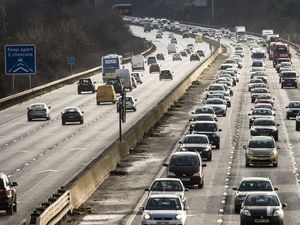
Two graduate students in the US have proposed super-fast lanes on which self-driving cars could travel.
The idea is called Hyperlane and they say it would allow autonomous vehicles to travel at speeds of over 100mph – without the need to create new roadways.
Designers Anthony Barrs and Baiyu Chenm from UC Berkeley were inspired by high-speed rail systems but their design would be significantly cheaper to make – the Guardian reports the California high-speed rail project is estimated to cost $139m (£109m) per mile, but Hyperlane could amount to just $12m (£9m) per mile.
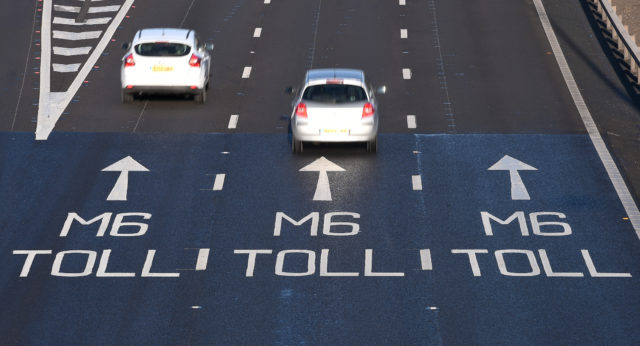
Traffic density, weather hazards and other challenges would be evaluated through sensors in the road and control cars’ speeds accordingly. Users of Hyperlane would need to pay fees too, which would adjust based on demand.
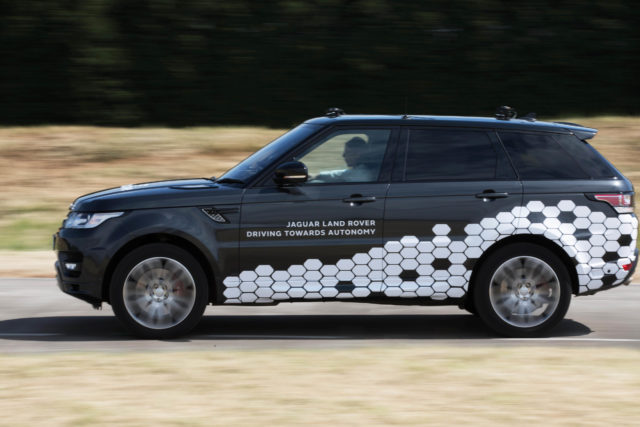
“After that point the car would be able to drive itself and you can just sit back and continue sipping your coffee and check your phone,” Chen said.
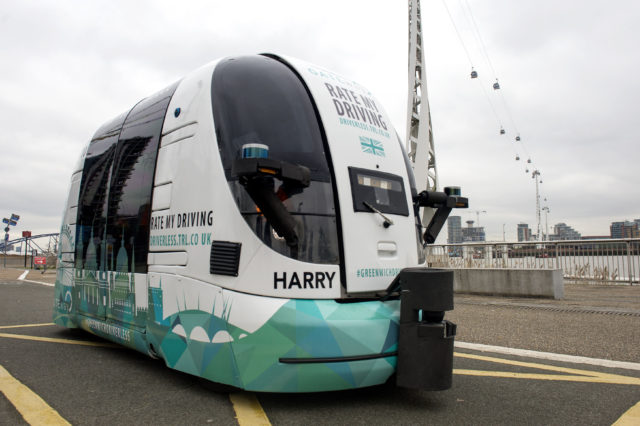
They say Hyperlane could also be used for autonomous buses, ridesharing services and even parcel delivery.
Although the competition was to design transportation systems for the year 2050 and beyond, the pair are now looking for investors to take the idea forward and out of its theoretical stages.