Resident’s passionate plea against Telford battery energy site aired at planning hearing
A resident’s claim that ‘it’s game over’ if just one valve fails at a proposed 50MW battery energy storage site was taken on board by a planning inspector at a hearing.
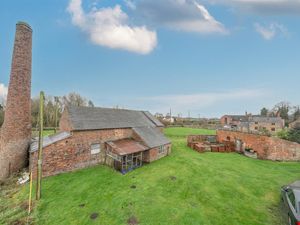
Chris Deeley lives close to the proposed site of the unit near Buildwas Bank and told the hearing in Telford of his fears if the Lower Coalmoor BESS plans get the go-ahead close to the Ironbridge Gorge World Heritage site.
Mr Deeley fears that if a fire takes hold at the site which is “less than 30m from the back of our house” it will “rain down toxic particles on our home”.
“The water system relies on one valve under the site, if it fails it is game over for us.”
He added: “The risk is off the scale as to how dangerous it is. If smoke from burning batteries comes directly at us it would kill us in seconds by affecting the heart.
“It would set fire to us and we would be dead.”
He countered claims that battery energy storage system fires are rare by saying “there have been five BESS fires this year in this country and 100 around the world”.
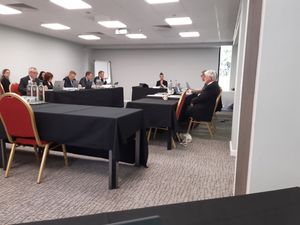
Planning inspector Lora Hughes, who was hearing evidence on Wednesday (July 2) at Ramada Hotel Telford – Ironbridge, said Mr Deeley had been heard.
“You have been very eloquent on what is an emotive subject for you. Thank you for being here,” she said.
Both the appellants and Telford & Wrekin Council, which had rejected the plans, had agreed that fire risks were not a reason for refusal.
Instead, if the inspector grants permission, they can be handled by conditions. The council had thrown the plan out on grounds of land instability and impact on the World Heritage Site.
The appellants were invited to respond to Mr Deeley but the hearing was told that they had “not a great deal to add”.
Representatives said they had “heard what the gentleman is saying” and they have a “management plan” which would be the subject of further consultation.
The inspector addressed the “one valve” claim and said the appellants could put valve maintenance in the management plan, if she decides to approve the scheme.
The hearing had heard about the issue of land instability, with the appellants insisting that the site had shown no signs of it. They said it was separated from the problems seen at Jiggers Bank by a “geological fault”.
But Mr Deeley said his parents had built their home in the mid 1970s with no problems until the very wet winter of 2013-14.
“We had a very sudden ground movement which sheared through our foundations and cracked the walls,” he said. “And it is still moving now.”
He said there was a landslide “five or six years ago” below the proposed site which “took out hundreds of trees”.
He said that people could see “exposed rock faces” made of “incredibly weak sedimentary rock which is full of fissures, voids and cracks”.
“There are car-sized boulders.”
He feared that the vibration from groundworks carried out to prepare the site risked further destabilisation.
“Jiggers Bank has had a lot of money spent on it but it already has more cracks and it is moving again,” Mr Deeley said.
The inspector said she had heard discussions about the geology of the area and told Mr Deeley: “I understand the emotion in the room.”
Mr Hardy, for the appellants, said the council had presented “very fair evidence from its geological expert” but it has “complied with policy and guidance”.
But he added that he believed councillors had been “set on a wrong path” by this.
Mr Hardy said he believed Telford & Wrekin Council should have to pay legal costs because its rejection of the planning application had been “substantially unreasonable”.
Penny Stephan, a council planning chief, said: “We do not accept that councillors have behaved unreasonably.”
The inspector concluded the day’s hearing by saying that further responses from the council and the appellant could be dealt with by an online meeting before she came to a decision.