'When a person loses part of their freedom, being outdoors can feel like a luxury' - How bees have become a part of prison life in Shropshire
Health staff in Shropshire are buzzing about the success of a project that has seen prisoners in the county learning all about bees.
One of the 25 jars of honey produced by the project was presented to Princess Anne, the Princess Royal, during a visit to HMP Stoke Heath near Market Drayton, in the summer.
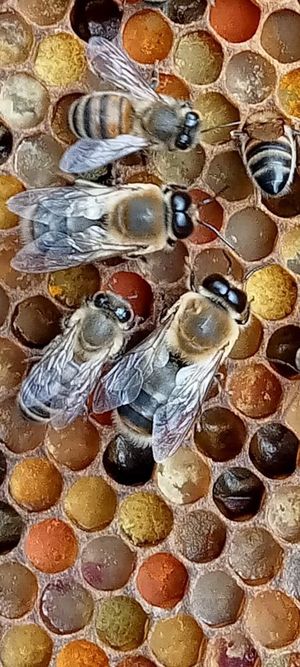
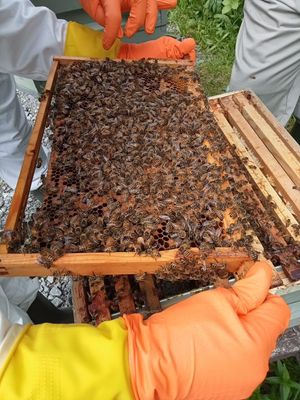
Members of staff at Shropshire Community Health NHS Trust (ShropCom), employees at HMP Stoke Heath, and an organisation called Food Behind Bars were trained by Shropshire Bee Keeping Society.
The idea was to create a bespoke 12-month project to support prisoners, focusing on individuals who were struggling with autism, ADHD, mental health and substance misuse issues.
A spokesperson for Shropcom said: “This has been a transformational journey over the last 12 months for those involved in the programme.
“We take nature for granted but when a person loses part of their freedom, being outdoors can feel like a luxury.”
The project, which also involves learning how to grow food from scratch, came under the umbrella of social prescribing, with an aim to help prisoners learn how to take more responsibility for their own health and wellbeing, rather than just relying on the medical model.
A ShropCom spokesperson said: “The vision was to learn how to grow food from seed, how to cook from scratch and then to take these skills back to their families.
“The high cost of living was discussed as a concern for some individuals and many didn’t realise how much food can be grown at a relatively small cost.
“One of their memories was remembering favourite family recipes from childhood, which invoked positive experiences.”
The beekeeping element came in as many were “conscious of the environment and the important part that bees play in the eco-system”, a spokesperson said. It was offered on a four week basis for small groups of four to six men.
An underused yard was transformed into an outdoor kitchen gardening space where prisoners built six raised beds. It is used for sensory walks and experiences for small groups of men.
A ShropCom spokesperson said: “The men have fedback that this has helped to calm them when stressed and they have appreciated being in nature.
“It has been really helpful for those who are neurodivergent, by having a quieter space to re-balance.”
Staff have spoken about a prisoner so happy at mixing with others that he “couldn’t stop smiling for the whole four weeks – which was amazing to see.
“Another participant that has left us intended to join his local bee keeping society as a way to become more involved with his community on release.”
The garden staff at HMP Stoke Heath made sure that the two hives delivered in July 2024 were checked on regularly, making sure that the queen was still present and she was still producing eggs.
The initial part of the project ended in July 2025 and was taken over by the prison garden staff in August 2025. Prisoners who have jobs in the gardens can be involved.
Before the end of the 12 month project some 25 jars of solid honey were harvested with the experts saying that most of the pollen had come from the rapeseed in the surrounding fields.
It is hoped that future harvests will be sold to help fund the upkeep of the beehives, so that it can remain a sustainable project.