'I've lost six stone and managed to keep diabetes at bay - but Christmas is a big challenge'
That mixed feeling of dread and hope when standing on the bathroom scales is a familiar companion, a silent negotiation with the digital readout, writes Bill McCarthy
We are in the festive season, where excess is king, before coming back down to earth with a grim tale of the tape, the story of the scales, and new year resolutions.
Since I last wrote, the journey away from a diabetic future and all the potential horrors that entail has continued.
In my first two articles for the Star, I neglected to chronicle the weight loss because I did not want the story to be about weight watching. However, after just over two years from starting on a 10-month Healthier You Diabetes Prevention Programme, sponsored by the NHS, and run by the group Living Well Taking Control, the weight loss has been pretty dramatic, as have the attendant health benefits.
The type 2 diabetes threat revealed in a blood test, has receded, though it is always in the back of my mind - a persistent whisper of the dangers, which include nerve damage, vision loss, heart disease, kidney failure, amputations or death.
Not to mention the other dangers of being overweight, such as high blood pressure with stroke risk, and certain cancers.
So what is diabetes? Type 1 diabetes cannot be prevented and is an autoimmune disease where the body makes little to no insulin, requiring lifelong insulin therapy, while type 2 diabetes involves insulin resistance or insufficient insulin production.
This is very often linked to lifestyle, very much like mine at the time and is managed with diet, exercise, medication and sometimes insulin. In some cases the disease can be reversed.
According to the charity Diabetes UK and based on the latest 2023-24 figures, diabetes in the UK has reached an all-time high, with an estimated total of over 5.8 million people living with the condition.

This includes approximately 4.6 million diagnosed individuals and nearly 1.3 million who have undiagnosed type 2 diabetes. Of those diagnosed, about 90 per cent have type 2 diabetes and eight per cent have type 1.In addition, an estimated 6.3 million people have pre-diabetes, meaning about 12.1 million UK adults in total are living with either diabetes or pre-diabetes.
The blood test showed I was pre-diabetic and another reason I didn’t mention the original weight was because I wasn’t proud that it stood at 20.5 stone, or 129kg. It now stands at slightly over 14 stone, or 90kg. That’s a loss of around six and a half stone - a figure that translates to permanently walking around without the equivalent of two large suitcases or carrying a large Labrador.
The body shape change means I’m now back on terms with ribs and collarbones, and the wedding ring could double as a thumb ring.
It is difficult to do this alone and my wife has been brilliant, and we have both adapted our food shopping and cooking habits and she constantly offers encouragement.
The health gains, thankfully, are no joke, but maintaining progress through the Christmas season - a period that challenges even the strongest resolve with its abundance of rich foods and celebratory drinks - becomes a significant test of willpower.
It is a festive landscape and munchfest of endless sweets, elaborate cheese boards, and rich, unfamiliar delicacies, not to mention the booze. Well, yes, let’s mention the booze.
I do like it, but some of these alcohol free drinks can offer a placebo effect and reduce the calorie intake and a balanced lifestyle does allow for occasional excesses.
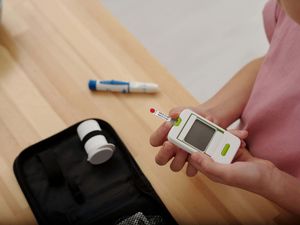
I have managed this with willpower (and the fear of the possible consequences of ignoring the threat), alone, though for some, pharmaceutical support in the form of weight loss injections is an option.
There have been marked successes with the likes of Mounjaro and Wegovy although they can be expensive. It’s understandable why people look into those modern solutions – they can be a real help.
My path was a bit more old-school. It was all about the fundamentals: eating a bit better, actually drinking water like I'm supposed to, and just walking pretty much every day. The course also delved into general wellbeing, dealing with anxiety and sleeping well and how best to manage a healthy diet.
I monitor my activity with a fitness tracker, a reluctant friendship, but a tool that provides objective feedback. It serves as a reminder of my daily choices that contribute to the bigger health picture.
There are other factors in improving health and wellbeing.
The diabetes coach was right when she said it is not just about weight. The focus on sleep, muscular strength, and bone health is vital, as is preserving muscle.
After the age of 30 - way, way back in history for me - we apparently start losing muscle at a rate that suggests our bodies are taking revenge on past indiscretions.
I’ve tried to embrace this, mixing walks with some resistance exercises, using tins as dumbbells, and it’s not necessary to spend even more post-Christmas on expensive gym membership.
Ironically, the food cupboard helps in another way, using heavy tins or bags of potatoes as rustic dumbbells. There’s also so much information on these kinds of exercises to be found online.So, where does that leave me?
The temptation to slip back is always there. But the alternative is much stronger motivation.
Having the energy to keep up with my (borrowed) dog, enjoying a full night’s sleep without sugar-induced heart palpitations, and experiencing the simple satisfaction of buying clothes from a normal rail.
And as for the scales? The number is an honest friend.
The hard bit wasn’t just losing the weight, although it was challenging, it's keeping it going.
But with over six stone shed and a diabetes risk reversed, the effort has paid off.
And while I brush off any slight weight gain as “probably new muscle,” the tape measure and the blood tests keep me honest.
So, as we brush the icing sugar off our jumpers and face the New Year head-on, remember that taking charge of your health is possible.
Whether you're diving into high-tech medicine, using stubborn willpower, striking up a somewhat confusing friendship with fruit, veg and pulses (they grow on you, I promise) is no big deal if you allow yourself occasional indulgences.
After the full-on Christmas bloatfest, there’s no better moment to start. Think of it as an investment that actually pays off - big time. Plus, if nothing else motivates you, just imagine all the cash you’ll save on elasticated waistbands. Now that’s a win.
For more information visit the NHS website here for case studies. And more advice on diabetes and the NHS prevention programme here.