Chris Whitty visits Shropshire for discussions on rural health challenges
Shropshire Council has hosted a visit by Professor Sir Chris Whitty, the country's chief medical officer, who became a household name during the Covid pandemic.
Professor Whitty became one of the country's most recognisable faces during the pandemic, regularly appearing on broadcasts from Downing Street with Prime Minister Boris Johnson.
His visit to Shropshire, which began at The Guildhall in Shrewsbury and continued in Highley, was used to showcase both the strengths and unique challenges of Shropshire’s rural communities.
In a statement Shropshire Council said it was also an opportunity to showcase some of the work being carried out by its public health team.
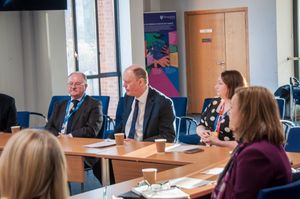
The authority said discussions focused on the opportunities and challenges that rurality presents, particularly in providing and accessing health and wellbeing services, workforce recruitment and retention, digital connectivity, and cross-border working.
The delegation highlighted how distance and infrastructure can impact everything from healthcare access to community support, and how Shropshire’s public health team partners are working to address these issues.
Dr Bernie Bentick, Shropshire Council’s cabinet member for heath and public protection, said: “Firstly, I would like to thank the officers who organised the visit, but my thanks also goes to those in the room who spoke so openly and honestly about the challenges we face as a rural county.
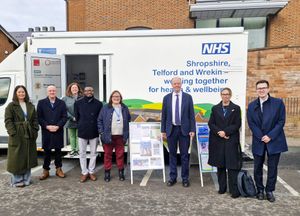
“There was universal agreement that the visit was very successful and Sir Chris said that he had found the day very valuable in understanding our particular needs and issues.”
Items that Professor Whitty remarked on included the need for much higher granularity of population and community data to inform the needs of residents in Shropshire and other rural areas.
He also spoke of the importance of public and personal transport in people’s wellbeing and in the delivery of all services in Shropshire, including health and care, and acknowledged the substantial partnerships developed between the health and care, local authority, Voluntary and Community Sector Assembly systems and other stakeholders.
Professor Whitty addressed the partnerships and infrastructure developed to deliver Family and Community Hubs, with a focus on neighbourhood health and care across the county, as well as issues involving the county’s border with Wales.
He also acknowledge the critical importance of achieving universal digital coverage throughout Shropshire, both fibre broadband and mobile phone, and the equally important need to provide for the 43 per cent of over-65s and others who are digitally excluded.
The visit included meetings with council leaders, health and care partners, the local town council and community representatives, reflecting a collaborative approach to tackling rural health inequalities.
Councillor Heather Kidd, Shropshire Council’s leader, said: “We are hopeful that these conversations will help create a greater national understanding of rural challenges, shape future policy, and increase support for rural areas like Shropshire.”
Rachel Robinson. Shropshire Council’s executive director of public health, said: “It was a great opportunity to share with Sir Chris first-hand how Shropshire is delivering public health interventions across the county, with a strong focus on our communities and partnership working, drawing on the strengths but also seeking to reduce some of the challenges in our rural county.”
Dr Lorna Clarson, chief medical officer at NHS Shropshire, Telford and Wrekin said: “We were delighted to welcome Sir Chris Whitty to Shropshire and to share our experience of delivering health and care in a largely rural area.
“The visit was a valuable opportunity to highlight the innovative partnerships we are building locally, from Family and Community Hubs to our developing neighbourhood work, and to emphasise the importance of national recognition and support for rural health needs.”