Proposal for new slurry store at south Shropshire farm is rejected
A proposal for a new slurry store at a farm in south Shropshire has been refused.
An application was submitted for the development at Church Farm in Leebotwood.
A planning statement provided by Jon Imber, of JMI Planning, said the existing slurry lagoon at the farm is not compliant, adding that it is open to the elements and has insufficient capacity.
The applicant proposed an alternative in the form of a closed tank in order to satisfy regulations.
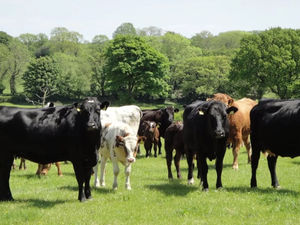
This would provide six months’ worth of storage as encouraged by DEFRA, said Mr Imber. The applicant milks around 160 dairy cows a year, and rears about 140 youngstock replacements and beef cattle.
Regulations require a minimum of four months’ slurry storage, and the Government’s best practice recommendation is to provide six months.
“The size of the proposed tank has been calculated to meet the legislative requirements,” said Mr Imber.
“The scale, size and type of development is therefore commensurate with its required purpose and the agricultural needs of the enterprise.
“The form of the proposed slurry store reflects its agricultural function and it would be viewed in the context of existing buildings within the farmyard.
“The proposals would not therefore harm the character or appearance of the countryside.”
Mr Imber added that it would also not give rise to unacceptable levels of additional noise, disturbance or odour, and would safeguard the amenities enjoyed by nearby residents.
However, Tabitha Lythe, planning and development services manager at Shropshire Council, said insufficient information had been provided with regard to the potential impact on nearby properties.
This includes the noise generated by pumping equipment, the management of odours from the reception pit to the covered slurry store, and potentially from the existing slurry pit which remains on the proposed plans.
There is also insufficient information regarding the proposed traffic movements associated with slurry dispersal, said Ms Lythe.
“While the proposed building will be viewed in the context of existing farm buildings, it will be a significantly larger and taller structure and will be a prominent feature in the rural landscape,” she said.
“Insufficient information has been provided to assess whether it is possible to mitigate the less than substantial harm to the significance of the setting of nearby designated heritage assets.
“While the covered slurry store will bring benefits to both the farming enterprise and the wider public, it is not possible to conclude that these benefits will outweigh the harm on the basis of the information currently available.”