Bluetongue virus detected in Staffordshire - latest government update
A new case of the bluetongue virus has been detected in Staffordshire
The Government has issued a warning over the number of Bluetongue virus (BTV-3) cases in the UK after two were reported in recent weeks, including one in Staffordshire.
BTV is responsible for causing the severe haemorrhagic disease bluetongue (BT) and can affect cattle, sheep and goats - it is mainly spread by biting midges.
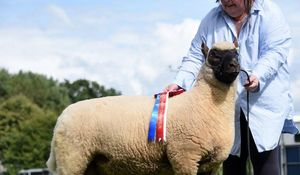
On Sunday (August 3) one ram lamb in Staffordshire was confirmed positive following a report of suspicious clinical signs.
It followed another news case of BTV-3 in Wiltshire in late July when a sheep was found with nasal discharge, a sore swollen mouth with ulcers and generalised facial swelling. No fever was reported.
The restricted zone for bluetongue had already been extended on July 1 to cover all of England although a specific bluetongue licence or pre-movement testing is not needed.
A spokesperson for Defra issued an update on Sunday, saying: "One ram lamb in Staffordshire was confirmed positive following a report of suspicious clinical signs."
Previously Defra reported that a ram in Wiltshire had the virus. Of this case the government department said: "The sheep had nasal discharge, a sore swollen mouth with ulcers and generalised facial swelling. No fever was reported."
Defra warned that the risk of transmission via infected midges is considered to be very high in England and most of Great Britain.
Of the restricted zone, Defra said: "The restricted zone for bluetongue has been extended to cover all of England. You can now move animals within England without a specific bluetongue licence or pre-movement testing.
"You will need a specific licence to freeze germinal products (semen, ova and embryo) anywhere in England and testing will be required. Keepers will be responsible for the cost of sampling, postage and testing. Further detail can be found in the declaration."