Change isn’t coming – change is here
Following the Agriculture Bill, we now have an idea of what post-Brexit farming policy and payments might look like.
Basic Payment Scheme payments are likely to be phased out between 2021 and 2027 theoretically giving farmers a window in which to review their business and develop sustainable future plans.
But what does this actually mean? Farming is a cyclical business by nature and farmers are used to amending their farming practices to cope with outside influences beyond their control. They are used to planning ahead – which crops; which sires; which milk contract; which fields; which ration, to name but a few.
But change is about much more than natural cycles. It is about facing the real possibility that we might have to fundamentally change the way we do things. Farmers may have to controls costs (even more than usual) to compensate for the erosion of margins post-Brexit. They may need to embrace innovation and technology, investing accordingly to give them a competitive edge. hey may need to secure planning consent to facilitate an enterprise change, diversification or exploitation of existing assets. All of this takes time, and time is running out.
Succession planning is really just business planning but with emotion!
The most important thing that farmers can do is ensure that they have planned the succession of the farm. A sustainable and workable succession plan is really just a business plan but it is often complicated by emotion.
Future plans are often permanently deferred due to the inextricable link between the business assets and the family home. An engineering firm with a factory on an industrial park is so much less emotive than the farmhouse which has bred and nurtured generations of farmers.
Add to that the complication of the expectations of relevant stakeholders or non-farming siblings and the fear of conflict can paralyse the process.
Tenant farmers and owner-occupiers face many of the same issues, although tenant farmers on ’86 Act AHA tenancies have the added complication of needing to identify an ‘eligible’ successor.
Often one of the prohibitors to making a plan is that the farming enterprise just isn’t big enough to sustain those who want to rely on it and feel they have no viable alternative either because they are dedicated to the farm or have no other formal training.
So what do we need to do to protect our industry? Well, in short, we need to start the conversation and talk about the future of our farm. You can rest assured that no-one is going to do it for us.
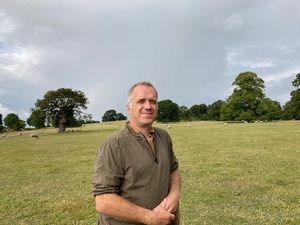
Louise Taylor MA, MSc, Dip HRD is managing director of Taylor Millbrook Ltd and Partner in Barbers Rural Consultancy LLP.