Finding the right path to protect the countryside
The countryside is for many of us a valued source of recreation, but just where we may and may not access it can be perplexing.
In England and Wales there are designated public and private rights of way. A public right of way is part of the Queen’s highway and is protected in law in the same way as all other highways. They can be legally used by anyone on foot and some may be used by horses, cars or bikes.
Public rights of way include footpaths which can be used for walking, running and access by powered wheelchairs or mobility scooters, and bridleways which permit running, walking, horseriding, bicycling and mobility scooters or powered wheelchairs. Restricted byways can be accessed by any means of transport without a motor – except mobility scooters and powered wheelchairs. Byways open to all traffic exist for all users including cars.
Private rights of way are usually in the form of an easement allowing access over someone else’s land to facilitate services such as water.
Private land may be accessed if it has been used by the public for at least 20 years and there has been no request for such use to stop. Permissive access exists in situations where the landowner has granted permission for access to their land.
The Right to Roam legislation can cause puzzlement. The Countryside and Rights of Way Right Act 2000, known as the CROW Act, gives a public right of access to land mapped as "open country" which includes heaths, common land, mountains and moors. Areas of land bordering the coastline and included in the England Coastal Path are also classed as open access land.
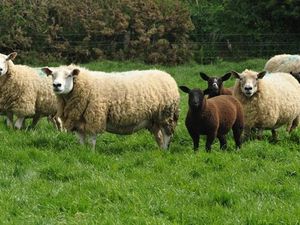
The CROW Act imposes restrictions on people exercising open access rights. Dogs must be kept on a short lead between March 1 and July 31 and always when crossing fields containing livestock. On coastal margins dogs must always be under control.
Dogs can be excluded from fields containing lambing ewes and from grouse moors. People may not ride horses or bicycles or drive vehicles other than wheelchairs or similar conveyances.
Dogs are the only animals allowed to access "open country"; other restrictions include camping, playing organised games, hang gliding, metal detecting, any commercial activity, removing, damaging or destroying any plants with intent, lighting fires, causing any damage, leaving gates open, leaving litter, disturbing livestock, posting any notices or committing a criminal offence.
Protection of the countryside lies at the heart of all these restrictions in a bid to preserve the natural environment for us all to enjoy.
For advice on rights of way, contact the team at Fisher German on 01244 409667.
Gill Broad, Fisher German