Horatio got stressed when the heat was on
I have enjoyed spending most of May on the farm.
We completed our BPS application at the start of May. There were a few RLE1 forms to fill in, where we have extended farm tracks and expanded the diversifications. Chris Seabridge is very efficient in helping us to complete the documentation. We also instructed Chris' colleague Nigel Baskerville to undertake a protected species survey on our traditional brick barns this month as we look to convert them into holiday lets. Phil Plant of Mid West Planning is helping with the planning process and I have applied for a Leader Grant for this project.
The Vertigo Spring Beans which were drilled direct with the Claydon into the HLS over winter stubble have established well. We also planted the maize with our Claydon drill into a seed bed that had been disced to incorporate the FYM and subsoiled. It was rolled twice post drilling. The maize is for our Maize Maze which opens in the summer holidays. We have planted a variety called Alfastar for the first time, requiring a tall late maturing variety as we keep the maze open until Halloween.
The oilseed rape came together really well and started dropping its flowers in mid May. I've always been told harvest will be eight weeks after flower drop - mid July will be a relatively early harvest for us. The barley was also in ear in mid May and looks well.
The wheat overall looks good, however, the dry spell did cause some stress, surprisingly in Horatio which has always been a robust performer for us. Costello in the same field coped well which will give us something to think about next year. That decision will not be made until the combine has been through the crop.
We topped the wheat's nitrogen up with digestate using Preston Contractors self propelled 21-tonne Holmer tanker with a 24 meter dribble bar. Five tractors and tankers were used to keep it going. It can achieve output rates similar to umbilical but works best in fields away from our lagoon, smaller fields where time is lost rolling out pipes with umbilical and in taller crops or late applications where an umbilical would flatten the crop.
The machine is awesome. It constantly monitors the N, P, K and dry matter of the manure, calculating and variably applying the volume required to achieve our agronomists recommended Kg/N/Ha application rate. We feel using digestate early and annually helped to keep our crops green during the dry weather.
The grass has also grown well. In hindsight we should have put an electric fence up and mown parts of some grazing fields.
We held our first wool festival on May 13 and 4. This was a celebration of all things woolly from sheep shearing to workshops on yarning/knitting, street food and lots of trade stands. The event went really well with 1,300 visitors. It is amazing how sheared wool is not worth a lot at the farm gate but the amount of added value that can be created and the growing interest in this.
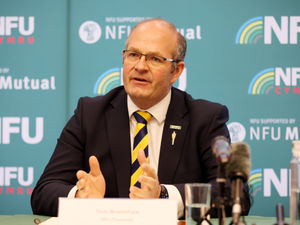
Finally, I appeared on BBC Radio 1, being interviewed about immigration and why agriculture employs foreign nationals to help complete our work and feed the nation. This interview request came through the NFU, they are the first organisation others and government turn to when they want to know about farming politics.
Richard Bower is a farmer