Dip in meat exports from New Zealand is good news for home producers
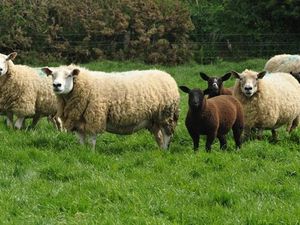
The volume of New Zealand lamb on supermarket shelves is a constant talking point for people involved in the UK sheep industry.
Easter is a particularly critical period, as plenty of people like to tuck into a lamb roast over the Easter weekend, and at this time of year the first supplies of UK new season lamb start to become available.
New Zealand is currently the largest competitor to UK lamb on the home market. However there’s potentially some good news for sheep producers as New Zealand sheep meat exports to the UK have been well down so far this year, including over the important Easter period. Exchange rate developments have pushed up New Zealand prices considerably while greater commitment from retailers to British lamb has also played a part.
Total New Zealand exports amounted to 146,700 tonnes in the first three months of 2017, up 12 per cent compared to the previous year, with exports increasing month on month. However, the amount of New Zealand lamb coming into the EU dropped off year on year, down by 10 per cent. The main driver of this is the reduction in exports to the UK, which were down 18 per cent on the previous year.
China remains the main destination for New Zealand lamb, with shipments reaching over 59,000 tonnes, an increase of 29 per cent compared to the same time period in 2016. Import demand for the lower value cuts has been increasing, as domestic demand and consumption are reported to be doing well, with prices rising.
Shipments of New Zealand sheep meat to the United States have seen an uplift in the first three months of 2017, totalling just short of 9,500 tonnes. This puts exports 36 per cent ahead of the the previous year.
When looking at the unit value, the strength of the New Zealand dollar has had a large impact on exports to the UK. In the first three months of 2017, the export price on product shipped to the UK averaged 7,951 New Zealand dollars, down four per cent on a year earlier. However, when this price is looked at in terms of sterling, it increased by 19 per cent, showing how it is now more expensive for New Zealand product to be brought into the UK.
The fall in the value of sterling has also corresponded with a strong appreciation of the New Zealand dollar against other currencies, including the euro.
Given the falling breeding flock, availability of New Zealand lamb on the global market will be tight during the remainder of 2017, which should translate into more home-produced lamb on supermarket shelves.
Clive Brown is AHDB Beef and Lamb Head of Regional Development