Which is best – co-operation or confrontation?
Hope for the best, expect the worst and take what comes! Many of us, most of us, live by this old adage whether consciously or not, writes Clive Davies.
We try our best to affect what lies before us but in the end muddle through with whatever life throws our way.
Of course, not everyone is like that. Some people are very driven to plot an exact course. They let nothing obstruct their path, take on risk and have zest for clearing the biggest of hurdles. Positive action is their way.
A good few dairy farmers are like that just now. The dramatic drop in on-farm milk prices has galvanised them into protest. Nothing quite on the scale of those motor workers of the 1970s, but from a British agricultural point of view, industrial action all the same.
Not all dairy producers are out at the processors and retail outlets, some very much disagreeing with their colleagues' attitudes. It all, of course, just depends from where you are coming from. If you are a farming leader and have to negotiate with the processing industry, your style might be quite different to the farming family struggling to pay the rent, vets bill, council tax and such.
So, which would be the most effective, some frank discussion around a table or a touch of militancy – co-operation or confrontation? The former is more the British way, especially that of its farmers.
So what are the prospects? Is there hope for land-based industry of the traditional kind? There ought be. Food is getting more scarce. Demand is increasing. Once Britain was self-sufficient in its own food supply to last the calendar year until about mid-October; now that cut-off date is early August.
So the scope is there but very importantly, is the primary producer able to make sufficient return on all investment, financial and human to be able to survive the challenge? That's the crunch. Food is now in a world market, more than ever before.
It's bound to be all a balance thing in the end and where fairness should also come to the fore. The higher commodity prices of recent years make for more dramatic concerns when the market falls away. Relatively higher input costs also bring on the squeeze. This all leads to volatility being the norm and budgeting quite impossible.
So there again, not a lot changes for the majority of Britain's farmers: the cynical, brave and hopeful!
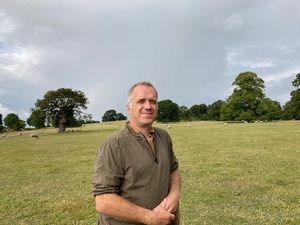
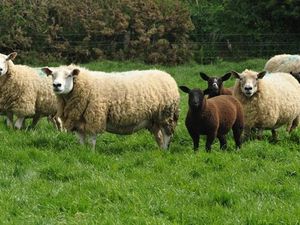
* Clive Davies runs a pedigree herd of Hereford cattle and an award winning flock of Shropshire sheep