'Shoo before you shoot' idea makes me wince
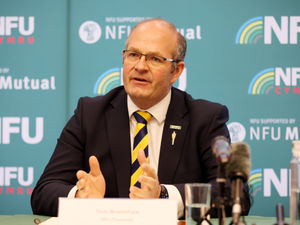
If you, like me, view pigeons, jackdaws, jays and crows as pests which damage crops and suppress the songbird population, then you have two calls to action this week, writes Tim Main.
Make your views known to Natural England regarding its ridiculous proposal to amend the "general licence" before May 19 and support the Game and Wildlife Conservation Trust in their work to undertake research and provide hard evidence of NE's planned folly.
It is an irony that these proposals sit on the heels of the GWCT's farmland bird count which revealed 116 bird species over the half million acres surveyed by more than 500 farmers. Further, that six of the top 25 most recorded species are on the red list of conservation concern.
This survey provides tangible evidence of what is happening to farmland birds on farms. The task was to observe and list all species seen during a 30-minute period one week in February. As we might expect 75 per cent of those surveyed are in environmental schemes, with a diverse range of farming practices and habitats.
The six species on the red list of conservation concern, that are part of the top 25 most abundant species are linnet, yellowhammer, house sparrow, tree sparrow, starling and lapwing. You may not be surprised to hear that 12 species of raptors were recorded in the 116 bird species or that carrion crow and wood pigeon were seen on 70 per cent of farms.
This brings me to the aforementioned proposed changes to the General Licence, which raises the prospect of "shoo before you shoot" ruling – requiring you to ensure all other methods are tried before shooting crows and pigeons. Yes, it makes me wince too.
If we lose the management tools to control predators effectively, numbers of some species will suffer. The GWCT's previous research shows that predators caused 43 per cent of ground nesting bird nests to be lost, including lapwing and wild pheasants. We can gesticulate all we wish, but our best defence is to provide balanced evidence.
The GWCT is raising funds to research and publish new science on the impact of predators on game and farmland birds. By being a member of the GWCT you will be supporting this work.
Shropshire branch of the GWCT has a shoot walk organised on Thursday, June 5, at Aston Estate, near Oswestry. There are also farm visits at Market Drayton and Ruabon on the following two Thursdays. For more information email or call smatson@gwct.org.uk 07939 121 715.
Tim Main is Shropshire Branch chairman of the GWCT