Star comment: Phones in schools a big worry
For those readers who grew up in the age of wooden desks and inkwells, it is an issue which never arose.
We are talking about mobile phones in school. There are different views, even among the professionals, on their merits or otherwise.
First the positives. Through internet-enabled mobile phones you have access to a vast amount of knowledge. Schools today use the internet as a learning tool and pupils have laptops and netbooks. Some homework can, and is, done using such technology, and learning how to get the best out of it is a vital preparation for further education and ultimately the world of work.
Then we have the negatives, which are in a broad sense behavioural issues, as they are related to whether pupils will obey school rules or will, given the opportunity, drive a coach and horses through them.
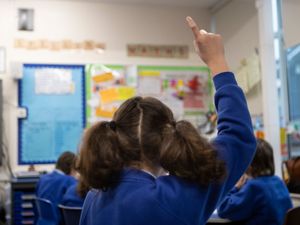
You could have a situation in which the teacher is facing a classroom of pupils who all have their heads down texting their friends, or even each other in the classroom. If that is allowed to happen, clearly there is not going to be any learning going on.
You could ban mobile phones on school premises, and invite a whole new set of problems. There are parents who want their children to have access to mobile phones for safety reasons, or maybe simply so that they can ring up to say they need picking up from school.
A ban would shut the door on the opportunities for learning that smartphones can bring, as well as being difficult to enforce. These devices are very small and are easily hidden by a simple ruse of keeping them in a pocket until teacher's back is turned. To find this technological contraband you would have to search for them – and the prospect of teachers searching children's pockets for smartphones is not one to raise any enthusiasm.
Ofsted has pointed to the use of mobile phones as a factor in a fall in the proportion of secondary schools where behaviour and safety have been judged good or outstanding. So, what to do? Different schools will have different approaches, but what looks like a workable compromise is to allow phones to be used at breaks, but not in class.
As with so many other things in the educational battleground, it is easy to pontificate, but we have to trust schools and their leaders to use their common sense and to have the nous to be able to rule effectively in their own domains.