County firm's report shows damp-afflicted tenants turn to social media rather than landlords for help
A county firm's survey has revealed damp-afflicted tenants are turning to social media rather than landlords for help.
A report by Shropshire-based home safety experts Aico, timed to coincide with Damp & Mould Action and Awareness Week (DMAAW) and the introduction of Awaab’s Law, says many households end up spending money on sprays, paints, or DIY fixes that do not solve the problem.
Fewer than half of renters surveyed turned to their landlord for advice after discovering damp and mould, with most using social media or internet searches and more than 40 per cent asking friends or family members.
Damp and mould affects up to 6.5 million households in England alone.
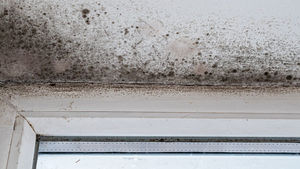
It produces allergens, irritants, mould spores, and other toxins that are harmful to health.
The NHS spends an estimated £1.4 billion a year on treating illnesses associated with living in cold or damp housing.
When wider societal costs, such as ongoing healthcare, are taken into consideration, the figure leaps to £15.4 billion.
Awaab’s Law, which comes into effect on October 27, requires social landlords to fix reported health hazards like damp and mould within strict legal timeframes.
The law is named after two-year-old Awaab Ishak, who died from prolonged exposure to mould in his home, and aims to ensure tenants can hold landlords accountable through the courts if their homes remain unsafe.
The report, authored by Dr Sam Collier, Policy & Research Manager at Aico, shows that while most people are able to spot the signs of damp and mould, only one in four feels confident in tackling the issue on their own.
Of those surveyed, 70 per cent said they would be willing to work with landlords to address the problem - but only if they were given clear guarantees over their legal rights.
In order to feel safe reporting damp and mould: 72 per cent of residents wanted to know what their legal rights were; 68 per cent wanted guaranteed repair timescales; 61 per cent wanted protection from eviction; 35 per cent wanted support from tenant/community groups; 25 per cent wanted easier ways to contact landlords.
Dr Collier said: “We know damp and mould is a major issue for millions of people up and down the country, and our research shows that people are willing to work with their landlords to resolve these problems, but many are afraid to report them in the first place because they simply don’t know where they stand.
“This is exactly why we started Damp & Mould Action and Awareness Week in the first place. We want to bring everybody together to help break taboos around the problem of damp and mould and put solutions in place to allow landlords to tackle it quickly and effectively.
“We’ve been encouraged by the positive engagement we’ve had from landlords who are serious about tackling damp and mould.
“Many are already working closely with residents, putting measures in place to address issues proactively and ensure homes are safe, healthy environments.
“Over the past year we’ve also supported landlords in preparing for the introduction of Awaab’s Law, helping them strengthen processes, adopt new technology, and build the frameworks needed to meet the requirements.
"We recently launched the HomeLINK Case Management system, a tool that helps landlords track and manage cases, analyse data, record actions and communicate with residents.
“It’s reassuring to see a real commitment across the sector to drive up standards and protect residents. But what this report shows is that much more still needs to be done to tackle the issue affecting millions of households across the UK.”
Damp & Mould Action and Awareness Week, taking place from October 20 to 26, was first launched in 2024 to shine a spotlight on the health and housing consequences that damp and mould can cause.
This year’s campaign has been commended by the UK Government and is backed by organisations including Allergy UK, the Chartered Institute of Housing, Scotland’s Housing Network, Healthy Homes Hub and Northern Ireland Federation of Housing Associations.